
News|Videos|October 17, 2024
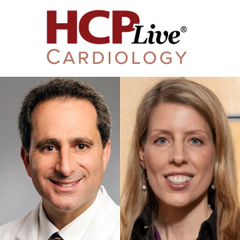
Optimizing Use and Clinical Considerations for Lipoprotein Apheresis, with Laurence Sperling, MD, and Eugenia Gianos, MD
Author(s)Laurence Sperling, MD, Eugenia Gianos, MD
Key Takeaways
- Lipoprotein apheresis is underutilized despite being the only FDA-approved method for lowering lipoprotein(a) and benefiting familial hypercholesterolemia patients.
- The AHA's scientific statement reviews lipoprotein apheresis' efficacy, outcomes, and implementation, emphasizing its potential for severe lipid disorders.
In part 2 of this 3-part series, Sperling and Gianos highlight the role of lipoprotein apheresis in contemporary settings and the supporting evidence base.
Advertisement
Key Timstamps
00:00 - Eligibility and Benefits of Lipoprotein Apheresis
02:14 - Steps for Identifying and Treating Patients
03:44 - Data and Evidence Supporting Lipoprotein Apheresis
07:44 - Additional Benefits and Mechanisms of Lipoprotein Apheresis
09:56 - Vascular and Nephrological Benefits
12:50 - Conclusion and Broader Applications
Despite offering the potential to improve outcomes in certain patients with
In recent years, a growing body of evidence has outlined the potential of this therapeutic approach, with this growth culminating in the release of the latest scientific statement from the AHA. Released on October 07, 2024 and titled “Lipoprotein Apheresis: Utility, Outcomes, and Implementation in Clinical Practice: A Scientific Statement From the American Heart Association,”, the document reviews the historical development, available devices, indications, efficacy, vascular effects, outcomes data, use in special populations, availability, access, cost, and patient perspectives on lipoprotein apheresis.
In recognition of the efforts of the AHA and the volunteer writing committee, HCPLive has launched the latest Special Report series spotlighting the scientific statement with writing committee chair Laurence Sperling, MD, Katz Professor in Preventive Cardiology and founder of the Emory Center for Heart Disease Prevention, and vice chair Eugenia Gianos, MD, director of Cardiovascular Prevention at Northwell Health.
In this segment, which is part 2 of our 3-part series, Sperling and Gianos discuss the benefits and challenges of lipoprotein apheresis as a treatment for patients with severe lipid disorders, particularly those with homozygous familial hypercholesterolemia and elevated Lp(a). Sperling, who helped establish Emory’s lipoprotein apheresis program, highlights how this procedure provides life-saving options for patients with genetic lipid conditions, especially those who do not respond to standard therapies due to non-functional LDL receptors.
Gianos delves into the clinical evidence supporting lipoprotein apheresis, noting that while randomized controlled trials are limited, observational data show significant cardiovascular event reductions, with some studies reporting up to a 95% decrease in events. They also discuss the unique ability of apheresis to not only lower LDL cholesterol but also reduce inflammation and improve endothelial function, which contributes to vascular healing.
The conversation touches on underexplored areas, such as the potential for using apheresis in patients with
Check out more from this series:
Introduction
Clinical Application of Lipoprotein Apheresis
Future Considerations
Laurence Sperling has no disclosures to report. Relevant disclosures for Gianos include Amgen, AstraZeneca,Eli Lilly and Company, kaenka, Novartis, and Med-IQ.
References:
- Gianos E, Duell PB, Toth PP, et al. Lipoprotein Apheresis: Utility, Outcomes, and Implementation in Clinical Practice: A Scientific Statement From the American Heart Association. Arterioscler Thromb Vasc Biol. Published online October 7, 2024. doi:10.1161/ATV.0000000000000177
- Iapoce C. AHA scientific statement promotes expanded use of lipoprotein apheresis. HCP Live. October 11, 2024. Accessed October 17, 2024. https://www.hcplive.com/view/aha-scientific-statement-promotes-expanded-use-of-lipoprotein-apheresis.
Advertisement
Related to this article

Lorundrostat cut systolic BP by 9.6 mm Hg and UACR by 52.2% vs placebo in participants with CKD and uncontrolled hypertension in Launch-HTN.

The ENRICH-AF trial ultimately did not demonstrate edoxaban’s efficacy, highlighting the need for further stroke prevention strategies for this patient population.
Reena Mehra, MD, discusses a post hoc analysis in which AD109 reduced AHI4 by 59.6% in postmenopausal women vs 44.0% in non-menopausal participants.

A recent MRI analysis of the pivotal OCEANIC-STROKE trial has indicated a complete lack of association between infarct patterns and asundexian’s efficacy.

A new analysis of 4 major trials has revealed the association between lower SBP and higher TTR and the risk of recurrent stroke after intracerebral hemorrhage.

Data from the phase 2a BIRCH trial demonstrated the treatment’s improvements in mRS and NLR, positioning it for a late-phase trial in the future.

A new analysis of the BRIDGE-TNK trial has demonstrated that patients with cardioembolism are more likely to derive benefit than those with large artery atherosclerosis.

This Q&A interview segment with Harrison Nguyen, MD, MBA, MPH, highlights key points made during his 2026 Fall Clinical Dermatology meeting sessions.
Advertisement
Advertisement
Trending on HCPLive
1
eGFR Underestimates CKD in Patients with Cancer, Study Finds
2
Tegoprubart Improves Quality of Life vs Tacrolimus After Kidney Transplant
3
42% on Povetacicept Reach KDIGO-Aligned UPCR Target in RAINIER
4
The HCPFive: Top News for Healthcare Providers from the Week of 10/18
5