
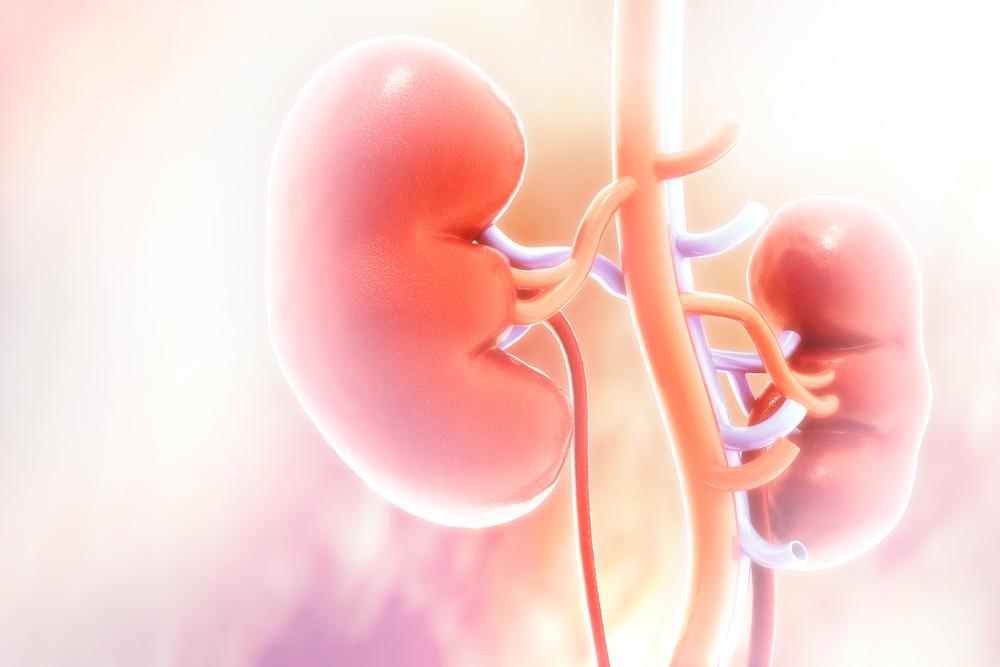




Nephrology
Latest News
Advertisement
Latest Videos






CME Content























































Advertisement
More News

Combination therapy with finerenone and empagliflozin significantly reduces urinary albumin levels in CKD patients.

New 100-week data reveals zigakibart's significant efficacy and safety in reducing proteinuria for IgA nephropathy.

An overview of the 7 presentations included as late-breaking clinical trials at ERA 2025.

Vera Therapeutics intends to bring the results before the FDA by the end of 2025; they anticipate an approval and commercial launch in 2026.

FDA Accepts, Grants Priority Review to Sibeprenlimab BLA for IgA Nephropathy
Published: | Updated:
With the priority review acceptance of the Biologics License Application, the FDA has assigned a PDUFA target action date of November 28, 2025.

Stay updated with the latest healthcare breakthroughs, including weight loss treatments, pediatric therapies, and FDA approvals shaping the future of medicine.

Pregnancies occurring during or after initial C3G presentation were at a greater risk of preeclampsia, prematurity, and renal function decline.
With the sNDA acceptance, the FDA has assigned a Prescription Drug User Fee Act (PDUFA) target action date of January 13, 2026.

Recent research uncovers how lifestyle and environmental factors influence the incidence of IgAN and membranous nephropathy.
Symptoms of immunoglobulin A nephropathy were reduced substantially during the 1-month follow-up period.
The month in review spotlights renal FDA news and novel research about CKD and social determinants of health in kidney care.
From 1990-2021, global CKD-related deaths and DALYs attributable to physical inactivity increased, especially in low-SDI regions and among females.

Prophylactic treatment with IV magnesium led to a lower risk of cisplatin-associated AKI in patients with cancer undergoing cisplatin chemotherapy.

Several mobile apps effectively improved medication adherence in patients with CKD, posing important implications for their impact on clinical outcomes.

Kraus explains current unmet needs in IgA nephropathy and what sibeprenlimab may offer based on the phase 3 VISIONARY study.

Black patients disproportionately started dialysis at low-quality facilities and were less likely to have nephrologists with high-quality primary facilities.

An audio recap of the top 5 stories in healthcare news from the week of 03/31-04/06.

Most patients preferred OLC over their previous phosphate binder, and pill number and size were identified as barriers to phosphate binder adherence.

Electronic health interventions improved medication adherence in kidney transplant recipients, with potential implications for improving patient outcomes.

Study findings suggest significant socioeconomic disparities in preemptive kidney transplantation rates in children and the need for targeted interventions.
Our Q1 recap for nephrology spotlights regulatory updates, new clinical trial data, and advancements in xenotransplant.

Data from nearly half a dozen trials suggests steroidal MRAs may provide little benefit in kidney transplant patients.

Using CURE-CKD Registry data, the analysis showed relatively rapid-onset CKD was common in people with prediabetes, especially with hypertension or ASCVD.

The approval indicates Novartis's atrasentan (Vanrafia) for proteinuria reduction in primary IgA nephropathy.
The March 2025 month in review spotlights a new episode of Crisis Point about CKD for National Kidney Month and renal FDA news.
Advertisement
Advertisement
Trending on HCPLive
1
Tilrekimig Meets EASI-75 Goal in Atopic Dermatitis, With Eric Simpson, MD
2
Tips on Optimizing HS Biologics, Combinations, and Surgery
3
FDA Approves Once-Monthly Subcutaneous Olanzapine for Schizophrenia
4
Why "Normal" Ferritin Can Miss Iron Deficiency, With Jacquelyn Powers, MD, MS
5