
Studies offer hope that CGRP antibodies will lead to better treatment for disabling headaches.
Studies offer hope that CGRP antibodies will lead to better treatment for disabling headaches.

An epidemiologist shares his knowledge about Clostridium difficile prevention and control.
Human antibody may substantially reduce need for insulin in patients with T1D.
ODYSSEY DM-DYSLIPIDEMIA is 1 of 2 studies on alirocumab presented at ADA Scientific Sessions.
Boys who are overweight as children but normalize as young adults have the same risk of type 2 diabetes as men who were never overweight.
More than 3,000 original research presentations will be offered in a robust 5-day program.
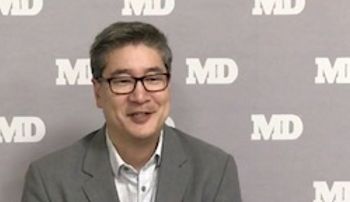
Dr. Kiki Chang sits down with MD Magazine and talks about the latest data on lurasidone.
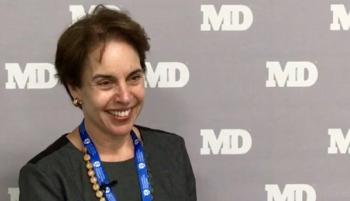
Leading eating disorder expert Evelyn Attia, MD, sat down with MD Mag at the American Psychiatric Association meeting to talk about the correlation between obesity and eating disorders.
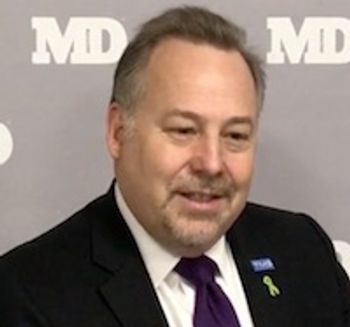
Transcranial Magnetic Stimulation (TMS) is getting good results as an adjunctive therapy for patients with major depression who have failed on several antidepressant medications.
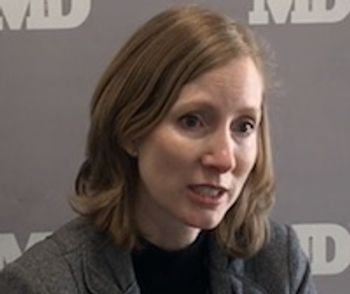
Dr. Melissa Arbuckle explains what neuroscience is and why every practicing psychiatrist should have an understanding and appreciation for this branch of science.

Dr. Stanley Caroff, Emeritus Professor CE of Psychiatry at the Philadelphia VA Medical Center, sits down with MD Magazine to explain what tardive dyskinesia is, and why it's so important for psychiatrists to be aware of this side effect in their patients taking antipsychotic medications. This is the conclusion of a two-part conversation.
Cyberbullying exacerbates existing mental health conditions among adolescents.

More than 25% of the US population over the age of 65 has diabetes.

Norfloxacin improved the prognosis of life-threatening advanced liver disease.

Pitavastatin is superior to pravastatin in reducing LDL in patients with HIV.
HPV is apparently on the rise in the United States among unvaccinated adults.
Umbilical cord blood is safe for young children with autism spectrum disorder.


