





Nephrology
Latest News
Advertisement
Latest Videos




CME Content























































Advertisement
More News
The Q2 recap for nephrology spotlights key FDA decisions and top coverage from the 62nd European Renal Association Congress.
A review of the 16 novel drugs approved by the US Food and Drug Administration during the first half of 2025, with links to coverage from MJH Life Sciences publications.
The month in review spotlights renal regulatory news and clinical trial data as well as coverage of the 62nd European Renal Association Congress.
Discover groundbreaking FDA approvals in 2025 that redefine treatment standards, enhance patient care, and address critical public health needs.
The CRL cited deficiencies previously identified at a third-party manufacturing vendor unrelated to OLC, and the Company plans to request a Type A meeting.

From new data for potential IgAN treatments to the use of combination initiation therapy for type 2 diabetes and CKD, here are 5 key updates from the annual meeting.

A global study reveals that universal access to semaglutide could save 28 million lives and significantly reduce obesity and diabetes worldwide.

From barriers to implementing evidence-based care to innovations in combination therapy, here are 5 key updates from the annual meeting.

Investigators also noted the risk of Hb overshoot in patients switching from ESA to roxadustat, emphasizing the importance of monitoring Hb levels before and after treatment.

A recap of 3 Kidney Compass podcast episodes recorded at ERA 2025, including summaries and preview clips.
A recap of 5 studies to know from the ERA 2025 Congress, including expert perspectives.

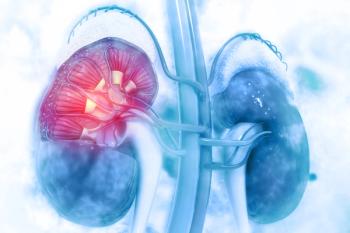
A recent meta-analysis reveals GLP-1 RAs significantly reduce adverse kidney outcomes, highlighting their potential in chronic kidney disease management.

A deep dive into several noteworthy IgAN studies presented during the ERA 2025 Congress.

Discover groundbreaking insights on the VISIONARY trial, IgA nephropathy treatment, and the future of kidney care with expert Vlado Perkovic, MBBS, PhD.

Study findings highlight the potential utility of cardiac catheterization as a targeted intervention in pre-kidney transplant cardiac risk stratification.

An ERA 2025 analysis confirms empagliflozin significantly lowers acute kidney injury risk, reassuring clinicians about its safety in at-risk patients.

Hosts break down data from the CONFIDENCE trial on the safety and efficacy of finerenone plus empagliflozin in patients with T2D and CKD.
Prespecified analysis of 320 patients in VISIONARY were presented at ERA 2025 Congress.
Brendon Neuen, MBBS, PhD, is joined by Rajiv Agarwal, MD, MS to explore the concept of simultaneous initiation of SGLT2i and nsMRA in CKD and T2D.

Combination therapy with finerenone and empagliflozin significantly reduces urinary albumin levels in CKD patients.

Jonathan Barratt, MD, PhD, offers perspective on how the 100-week data from ERA 25 inform the potential of zigakibart.
New 100-week data reveals zigakibart's significant efficacy and safety in reducing proteinuria for IgA nephropathy.

An overview of the 7 presentations included as late-breaking clinical trials at ERA 2025.

Vera Therapeutics intends to bring the results before the FDA by the end of 2025; they anticipate an approval and commercial launch in 2026.
Advertisement
Advertisement
Trending on HCPLive
1
Tilrekimig Meets EASI-75 Goal in Atopic Dermatitis, With Eric Simpson, MD
2
Tips on Optimizing HS Biologics, Combinations, and Surgery
3
FDA Approves Once-Monthly Subcutaneous Olanzapine for Schizophrenia
4
Why "Normal" Ferritin Can Miss Iron Deficiency, With Jacquelyn Powers, MD, MS
5