Anaphylaxis Signs to Watch in Infants & Toddlers
- Inconsolable crying or fussiness
- Finger in mouth (oral/throat itching)
- Ear tugging (ear canal itching)
- Drooling
- Back arching
- Belly breathing
- Vomiting (often mistaken for minor illness)
Lieberman discusses atypical anaphylaxis signs in infants and toddlers and why epinephrine remains underused.
A companion review found caregiver recognition and confidence gaps, not epinephrine access alone, drive delayed treatment, and 48% of caregivers in a surveyed cohort withheld epinephrine because they did not believe symptoms were severe enough.² Parents who watch a clinician administer epinephrine during a supervised reaction, such as a food challenge, report greater comfort giving it on their own afterward.² Caregivers with a written anaphylaxis action plan were also more likely to use epinephrine.²
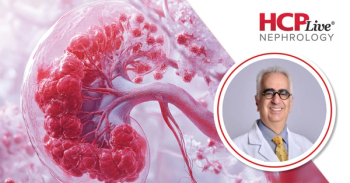
In the following Q&A, Jay Lieberman, MD, professor at the University of Tennessee Health Science Center and program director of the Allergy/Immunology Fellowship Program at Le Bonheur Children's Hospital, discusses recognizing anaphylaxis in young children and closing the epinephrine treatment gap.
Lieberman: Infants and toddlers can have different reactions or can look different during severe allergic reactions. We have criteria for symptoms during a reaction that would meet the anaphylaxis definition and…[warrant] epinephrine, [but] infants and toddlers may behave differently, and clinicians need to be aware of [this]. When you see an infant or toddler having a reaction, look for different things to alert you that, wow, this is a multi-systemic allergic reaction or this [is] a more severe allergic reaction.
Lieberman: Infants can't speak to tell you [what's happening], so they behave differently. They may be more fussy, they may be crying, they may be inconsolable. They can shove a finger in their mouth as a sign they're having an itchy mouth or throat… [or tug] at an ear as a sign of itching inside the ear canal. These are all signs they’re having an allergic reaction.
Lieberman: In older kids, GI symptoms like vomiting. Often, [clinicians] may think the child just ate something bad. When I'm doing a challenge [in an infant and that] infant starts acting funny, my radar goes up, and I start looking a little more into it.
Lieberman: They can use whichever criteria they want. As an allergist in practice, often we're not doing the check boxes of “okay, they meet this, they meet this.” I'm going to go ahead and give them epinephrine. It's more of a clinical feel for a lot of us.
Lieberman: This is an issue at all ages. Underuse of epinephrine has been shown in every study, whether it's infants, toddlers, or adults, and epinephrine was more often used the older the child is. Infants shouldn't be treated any differently. If we think they're having anaphylaxis, they should get epinephrine.
It's fascinating when a clinician goes through giving epinephrine with a parent during a reaction, such as during a food challenge in [the] clinic…parents feel more comfortable giving epinephrine on their own [afterward]. All these education pieces, showing parents it's not a big deal and it's not harmful, [may contribute to the increase in] epinephrine use.
Lieberman: Whatever training we can get helps, [whether] that's a physician or nurse practitioner going to a school district to talk with school nurses…videos that teach [parents and staff] about this…[or] parent volunteers [to] go into schools and give education on food allergy and epinephrine use.
Lieberman: The best evidence we have, now incorporated into our allergy anaphylaxis practice parameters, [supports] stock epinephrine. [That] means a school, for example, can have epinephrine available without a prescription that any child can use, whether or not we knew they had a food allergy or a bee sting allergy. It’s the same idea as having defibrillators in stadiums that anyone can use if someone has a heart attack.
Lieberman: Newer [food allergy] guidelines suggest early introduction of allergenic foods, even something like peanut, which we used to say don’t feed kids and now say to feed as early as 6 months. Greater education and awareness will be very helpful.
Watch interviews with Lieberman here:
References