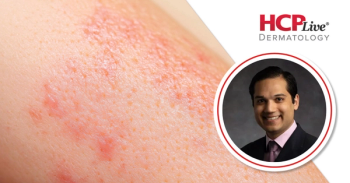
How Does Psoriasis Present Differently in Melanin-Rich Skin?
In this podcast episode, Soung explained that psoriasis often presents with less pronounced erythema in darker skin tones,which can lead clinicians to underestimate disease severity. She noted that plaques may appear thicker with more keratotic scale, and that itch can sometimes overshadow classic plaque appearance, occasionally leading to misdiagnosis as atopic dermatitis.
Both physicians said biopsy can be a valuable tool when diagnosis is uncertain, particularly since post-inflammatory dyspigmentation, a common and often distressing feature for patients with skin of color, is not captured by standard severity scoring systems such as the PASI or PGA.
Why Is Early Diagnosis and Treatment Critical for Patients of Color?
Soung and Shahriari discussed how delayed or missed diagnoses can compound psoriasis' physical, psychosocial, and even financial impact, particularly when disease affects visible areas of skin. Soung attributed some of these delays to systemic barriers, including limited health care access and mistrust among diverse populations, and said addressing these gaps requires meeting patients in their communities, using tools like telehealth, and approaching cultural differences with curiosity rather than assumption.
How Can Dermatologists Improve Treatment Adherence and Trust?
The conversation also addressed how psychosocial burden and treatment preference shape long-term outcomes. Soung said asking patients open-ended questions about how their condition affects their life often surfaces concerns that go unaddressed in a typical visit, while giving patients only two treatment options at a time, rather than overwhelming them with the full range of available therapies, helps guide decision-making.
Both physicians emphasized that efficacy alone does not determine whether a patient continues treatment, and that factors like route of administration, safety concerns, and lifestyle fit, particularly for patients managing scalp psoriasis with textured hair, must be part of the conversation. Soung closed by encouraging clinicians to approach care for patients with skin of color with openness and consistency, framing it as an area of dermatology where ongoing dialogue continues to improve outcomes.
To learn more about SOCS’s programs and initiatives, visit Skin of Color Society.
Editor’s note: This episode was summarized with the help of AI tools. Shahriari and Soung had no relevant disclosures of note.
References
Gkini MA, Nakamura M, Alexis AF, et al. Psoriasis in People With Skin of Color: An Evidence-Based Update. Int J Dermatol. 2025 Apr;64(4):667-677. doi: 10.1111/ijd.17651. Epub 2025 Jan 31. PMID: 39887710; PMCID: PMC11931096.