Catch up on any data and key clinician perspectives presented at the Heart Failure Society of America Annual Scientific Meeting 2026.
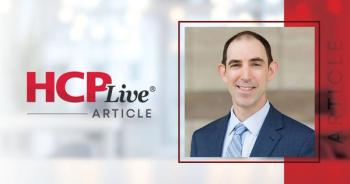
Deepak Bhatt, MD, MPH, MBA, discusses the efficacy of this investigational IL-6 antibody among patients at high inflammatory risk.
Pacibekitug, an investigational interleukin-6 (IL-6) antibody, substantially reduced inflammatory biomarkers in patients with
These data were presented at the
“Overall, in the context of a phase 2 trial, I would say it was a positive trial,” Bhatt told HCPLive in an exclusive interview. “Of course, the trial wasn’t powered for
TRANQUILITY was a randomized, double-blind, placebo-controlled study evaluating quarterly and monthly pacibekitug dosing among patients with CKD and elevated high-sensitivity C-reactive protein (hs-CRP). Patients were eligible if they were ≥18 years of age with a serum hs-CRP level of ≥2.0 mg/L and <15 mg/L, as well as a diagnosis of CKD. Patients with a history of immunodeficiency, gastrointestinal ulceration or perforation, or active diverticulitis, among other criteria, were excluded.2
Enrolled patients were randomly assigned in a 1:1:1:1 ratio to receive subcutaneous pacibekitug 25 or 50 mg every 90 days, 15 mg every 30 days, or placebo, all over 6 months. The primary endpoint was time-averaged percent change from baseline in hs-CRP through day 90. Secondary endpoints included the proportion of patients with time-averaged hs-CRP <2 mg/L at 90 days, time-averaged percent change in hs-CRP from baseline through day 180, and the safety and tolerability of pacibekitug, among others.1,2
A total of 143 patients were included, with a mean age of 69 years. 72% of the enrolled patients received statins, and 59% had
Ultimately, Bhatt and colleagues concluded that pacibekitug treatment efficaciously reduced hs-CRP in this patient population, with only 1.9% of patients discontinuing treatment and none reporting clear dose-related safety signals. However, Bhatt also acknowledges the lingering question of actual cardiovascular outcome improvements, given that the trial was not powered to examine this endpoint.1
“Ongoing trials with other agents will see whether drugs specifically targeting Lp(a) and reducing Lp(a) are associated with cardiovascular benefit or not,” Bhatt said. “These results will be coming out, I imagine, relatively soon, likely before the end of the year. I think that the bolus of data that we’ll get in the next year or 2 about Lp(a) reduction strategies and whether they reduce cardiovascular events will tell us a lot.”
Editors’ Note: Bhatt reports disclosures with GSK, Merck, Cereno Scientific, Angiowave, Boehringer Ingelheim, Novo Nordisk, and others.