Traditional skin tests that are used to determine allergies to the common antibiotic, amoxicillin, don’t actually work, according to new research findings.
Traditional skin tests that are used to determine allergies to the common antibiotic, amoxicillin, don’t actually work, according to new research findings.

Coffee has long been a comforting staple in most people’s morning routines.

People not blessed with 20/20 vision often choose to wear contact lenses to avoid cumbersome eyeglasses.

Women who sunbathe are likely to live longer than those who avoid the sun.

Tattoo aficionados who appreciate the creative license behind professional inking can now take solace in the potential health benefits of tattoos.

Initial treatment with once-daily ivermectin 1% cream (Soolantra/Galderma) resulted in longer remission for patients suffering from moderate-to-severe papulopustular rosacea, compared to the initial treatment with twice daily metronidazole 0.75% cream.

Despite green tea’s many health benefits, combining it with dietary iron does not produce any benefits for inflammatory bowel disease (IBD) patients.

Popular erectile dysfunction drug sildenafil (Viagra/Pfizer) may stimulate the growth of skin tumors.

People who eat sugary, starchy foods potentially are at higher risk for lung cancer, even if they don’t smoke.

Sexually transmitted diseases (STDs) often have their own set of stigmas, particularly since they affect more than just the genitals; visible signs can also surface on patients’ skin.

Topical steroids – either alone or combined with vitamin D – effectively treat scalp psoriasis while posing the least risk for side effects.

The drug flibanserin, approved last year by the FDA to enhance sexual desire in women entering menopause, apparently produces less-than-satisfying results.

Patients afflicted with vitiligo often have significant differences in Schirmer test results, lens, and fundus findings.

Migraine and tension headaches potentially share genetic links with irritable bowel syndrome (IBS).

Trips to the emergency department (ED) can range from the most benign to the most serious of reasons.

“Hidradenitis suppurativa (HS) is a nightmare, probably the most negatively life-impacting disease we see in all of dermatology. We finally have a therapy to address it, “ remarked Jeffrey Sobell, assistant professor of dermatology, Tufts University School of Medicine, Boston, MA, at the Skin Disease Education Foundation (SDEF) Hawaii Dermatology Seminar.

Rosacea has been linked to a significantly increased risk of developing glioma.

The US Food and Drug Administration (FDA) has approved dexlansoprazole (Dexilant SoluTab/Takeda Pharmaceuticals), a new formulation for the treatment of heartburn-associated gastroesophageal reflux disease (GERD) in adults age 18 and older.

Often, patients suffering from gastrointestinal issues are too embarrassed or uncomfortable to schedule a colonoscopy.

Cheese contains a natural food preservative, nisin, which can destroy cancer cells.

Patients suffering from irritable bowel syndrome (IBS) can reduce their symptoms with the substance ebastine found in histamines used to treat hay fever.

Just in time for the legalization of medical marijuana to take effect in New York, one cannabis distributor has gotten Kosher status for its products.

It was not long ago that patients with hepatitis C were among the leading candidates for liver transplants. Now that many forms of the disease are curable that attention can be turned to other patients in need.

Patients with irritable bowel disease can have enough issues to deal with in their daily lives. Add a condition like c-diff can make the treatment that much more complicated.

The US Food and Drug Administration recently approved the Fenix Continence Restoration System for the treatment of fecal incontinence for patients who have tried and failed other medical and surgical options.

Seniors who developed the painful rash commonly known as shingles may also be at higher risk of suffering a stroke or heart attack.

Francisco Sylvester, MD, UNC School of medicine emphasized the importance of applying study findings to early interventions in treatment.

Russell Cohen, MD, director of the Inflammatory Bowel Diseases Center at The University of Chicago Medicine continued to discuss the relevance of healthcare economics specific to IBD at the 2015 Advances in Inflammatory Bowel Diseases.

Christine Cserti-Gazdewich, BSc, MD, Blood Transfusion Laboratory, Toronto General Hospital, and colleagues wanted to address the burgeoning concern that the longer blood units are stored, the likelier it may be to introduce harm or simply not work as well.
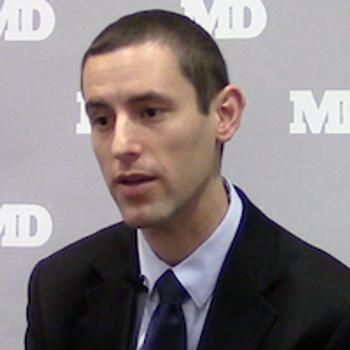
Seth Karol, MD, St. Jude's Children's Research Center and his team focused their research on the 10-20 age group, the "sweet spot" where the bones are still finishing up development and thus going to be susceptible to therapy.