
Sands explains the potential benefits of obefazimod and reviews findings from ABTECT 1 and ABTECT 2 presented at ACG 2025.
Sands explains the potential benefits of obefazimod and reviews findings from ABTECT 1 and ABTECT 2 presented at ACG 2025.

Sands describes the current landscape of Crohn’s disease therapies and reviews GALAXI 2 and 3 data supporting guselkumab’s role in evolving care paradigms.
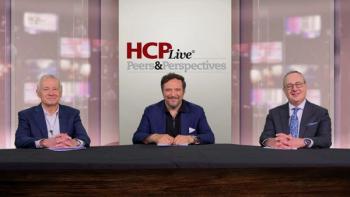
Silvio Danese, MD, PhD; Bruce Sands, MD, and Jean-Frederic Colombel, MD, conclude by sharing their approaches to evaluating patient satisfaction and expectations when providing care for ulcerative colitis and Crohn's disease, while also touching upon the importance of discussing the potential need for escalating or switching therapies to better manage the underlying disease processes.
Medical experts in inflammatory bowel disease discuss the current evidence on dual advanced therapy for ulcerative colitis and Crohn's disease, highlighting the potential benefits, while also addressing the challenges and complexity of treatment management.
Gastroenterologist experts discuss the current landscape of biologic treatments for inflammatory bowel disease and the occasional necessity to switch between different biologic agents, while also sharing insights on their preferred treatment sequencing strategies.
Silvio Danese, MD, PhD; Bruce Sands, MD, and Jean-Frederic Colombel, MD, highlight the common practice in many community settings of treating inflammatory bowel disease (IBD) with corticosteroids, with or without 5-aminosalicylic acid, and cycling patients through this regimen for prolonged periods, while emphasizing the significant impact and toxicities associated with this treatment approach.
Silvio Danese, MD, PhD; Bruce Sands, MD, and Jean-Frederic Colombel, MD highlight the common practice in many community settings of treating inflammatory bowel disease with corticosteroids, with or without 5-aminosalicylic acid, and cycling patients through this regimen for prolonged periods, while emphasizing the significant impact and toxicities associated with this treatment approach.
Expert panelists discuss the implementation of a treat-to-target approach for the long-term management of inflammatory bowel disease (IBD), drawing upon data from the STARDUST and REACT-2 trials to support their recommendations and insights into optimizing patient outcomes through this strategy.
Expert gastroenterologists delve into the concept of transmural healing as a treatment target for both ulcerative colitis and Crohn's disease, sharing insights on their preferred timeframes for reassessing treatment progress, monitoring methods, and the effectiveness of intestinal ultrasounds in the management of these conditions.
Silvio Danese, MD, PhD; Bruce Sands, MD, and Jean-Frederic Colombel, MD, discuss their preferred recommended targets for managing ulcerative colitis (UC) or Crohn's disease (CD), emphasizing the aggressive approach required to achieve these targets effectively.
Medical experts in inflammatory bowel disease (IBD) define the concept of "treat-to-target" within the context of IBD and provide current recommendations on treatment targets for ulcerative colitis and Crohn's disease, the two main forms of IBD.

