Articles by Christina T. Loguidice

According to a large study conducted at the University of Texas MD Anderson Cancer Center and presented at the AACR 101st Annual Meeting 2010, eating well-done meat, especially red meat, may increase the risk of bladder cancer, particularly in individuals with genetic variants in their metabolism.
Susan G. Komen for the Cure's partnership with KFC to raise funds and spread breast cancer awareness and educational messaging by selling chicken in specially designed pink buckets has generated considerable controversy, with some wondering what message this partnership is sending.
Dating can be a terrifying and frustrating endeavor, especially if you are shy or socially awkward. It may seem impossible to even meet someone when you find yourself struggling to muster up the courage to initiate a conversation.
A novel blood test identifies PAM4 (or clivatuzumab), an antigen that is present in almost 90% of pancreatic cancers and precancers.
A session at ONS discussed intergenerational differences in nursing.
Following the lively opening ceremony, was an even livelier keynote lecture, which was given by Selinza Mitchell, CNE.
ONS kicked off with a lively parade, which included over 100 nurses representing 16 countries from all over the globe.
Radon is an invisible, odorless, and tasteless radioactive gas that is released into the air or dissolves into groundwater as uranium in rocks or soil decays.
Palonosetron (Aloxi) is the only 5-HT3 receptor antagonist approved for treatment of delayed chemotherapy-induced nausea and vomiting (CINV) following administration of moderately emetogenic chemotherapeutic agents.
Dating can be a terrifying and frustrating endeavor, especially if you are shy or socially awkward. It may seem impossible to even meet someone when you find yourself struggling to muster up the courage to initiate a conversation.
To improve early detection of colorectal cancer and adenomas, when survival chances are greatest, researchers tried develop a reliable blood test for detection.
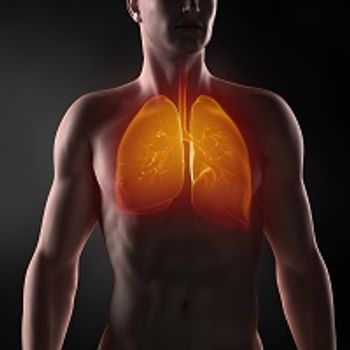
Radon is an invisible, odorless, and tasteless radioactive gas that is released into the air or dissolves into groundwater as uranium in rocks or soil decays. It was classified as a human carcinogen in 1988 by the International Agency for Research on Cancer, but the ill health effects of this invisible killer had been observed for centuries in Europe.
During the 51st ASH Annual Meeting, several new data from the PROPEL trial were released, including updates on the ORR and safety of pralatrexate in patients with PTCL and data on the correlation between baseline methylmalonic acid status and mucositis severity in this population. While the data reinforce pralatrexate as a viable treatment in patients with relapsed or refractory PTCL, some question whether the drug confers enough of a benefit to warrant its $30,000 per month cost.
According to the results of two studies presented at the ECCO 15 – ESMO 34 Joint Congress in Berlin, Germany, two new blood tests may eventually help clinicians screen for and diagnose gastrointestinal and colorectal cancers earlier.
Wellstat Therapeutics has developed vistonuridine, the first viable prodrug of uridine, which is an orally administered agent that delivers approximately 8-fold more uridine as it is converted to uridine in the body than administration of uridine itself.
A new retrospective study shows that use of three widely prescribed selective serotinin reuptake inhibitors—Prozac, Paxil, and Zoloft—more than double the risk of breast cancer recurrence in women treated with tamoxifen.
As you can well imagine, a cancer diagnosis can lead to an incredible amount of distress, which may be amplified once a patient starts to undergo treatment and experience its related side effects.
Geralyn Lucas, a very spunky breast cancer survivor, gave an amazing key note address that kept the audience engaged with her humor.
As exotic international locales become more accessible and American palates acquire a taste for more unusual fare, physicians may find themselves treating patients infected with organisms that are rarely seen in the United States, such as Anisakis spp.
Updates to the NCCN Prostate Cancer Guidelines were presented by James L. Mohler, MD.
