

Research into a rare neurological disorder may help researchers working on more common diseases including autism and epilepsy.
Research into a rare neurological disorder may help researchers working on more common diseases including autism and epilepsy.

Investigators have found that mice with ALS given the novel treatment showed significant improvements in their cognitive and motor performance.

Investigators working on Glioblastoma Moon Shot program have made a key discovery on glioblastoma progression, identifying a key target to help stop it.

New research suggests that more healthy people than previously thought have genetic variants associated with disease.

Investigators in Denmark found that both current and ex-smokers have an increased risk of developing myeloproliferative neoplasms.

New research contradicts previous studies supporting the use of inositol supplementation in premature infants at risk for an eye condition that could lead to blindness.

The new approach could shave off time and costs from the current standard regimen.

Investigators in the United Kingdom have found that a simple blood test reveals the earliest signs of Huntington’s disease, and may help scientists working on developing new therapeutics for the genetic disease.

A new paper details a newly identified and yet-unnamed skeletal disorder with radiographic similarities to—but also unique distinctions from—an extremely rare condition called Jansen metaphyseal chondrodysplasia.

A new study by investigators in Denmark finds that children who develop acute lymphoblastic leukemia may be born with immune systems that are different from those of other children.

Investigators have discovered an important link between recessive dystrophic epidermolysis bullosa and squamous cell carcinoma, suggesting a new approach to treatment.

There’s no cure for Huntington’s disease, but a new study by investigators in Sweden is exploring potential new approaches to treating the neurodegenerative disease.
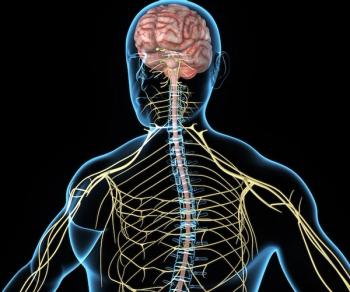
Spinal muscular atrophy patients can see benefits even from late initiation of treatment with the drug nusinersen, according to a new study.

The latest approach to developing a gene therapy for Duchenne muscular dystrophy shows promising results.

Investigators in Cincinnati have linked a gene with myelodysplastic syndromes, potentially offering the first step toward a new genetic therapy.

A new study has identified a genetic mutation that makes individuals with epidermodysplasia verruciformis more susceptible to human papillomavirus.

A new study has found that patients living with alkaptonuria, a highly rare genetic disease, can halt and partially reverse some symptoms with the drug nitisinone.

In a new study, researchers say they’ve improved on a method of delivering probiotics to premature newborns in the fight against deadly gut infections.

New guidelines on the prevention and treatment of HIV in adults from the IAS-USA Panel highlight advances made since the 2016 guidelines, as well as the need for new strategies.
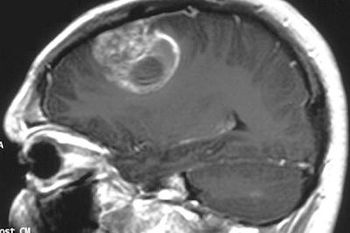
Researchers say that adding a common altitude sickness drug to the treatment protocol for patients with glioblastoma may improve the effectiveness of chemotherapy and extend survival in some patients.

Researchers have discovered that a gene may be linked to neuromyelitis optica, a highly rare disease known to lead to blindness and paralysis.
In a new study, Australian researchers present findings on how a simple blood test may reveal which cases of head and neck cancers will spread to other organs.

If approved, the therapeutic will be the first in a new class of medicines.

Researchers from McGill University say they’ve found genetic variants in patients with childhood-onset schizophrenia, offering a new direction for the development of treatment drugs.

Individuals with vitamin D deficiency may be at greater risk of interstitial lung disease, a rare disease that causes scarring of the lungs.

Researchers have discovered how a genetic mutation in individuals with hypokalemic periodic paralysis impacts muscle function and may have found a possibility for treatment.
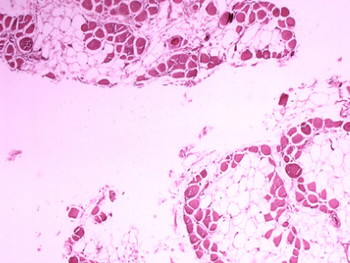
Researchers hope to move closer to finding a treatment for Duchenne muscular dystrophy, using new stem cell-based technology and genes edited with CRISPR.

A recent study sheds light on how the bacteria responsible for necrotizing fasciitis invades the body and explores the role Botox might be able to play in stopping these infections.

August 10th 2018
July 24th 2018


