

Alva outlines how general clinicians should address patient questions on psychedelic therapies, including risks, approvals, and referral pathways.
Alva outlines how general clinicians should address patient questions on psychedelic therapies, including risks, approvals, and referral pathways.
Alva discusses infrastructure gaps, training demands, and unmet psychiatric need amid accelerated policy momentum for psychedelic therapies.
Following an April 18 executive order, Gus Alva, MD, discusses psychedelic mechanisms, evidence, and clinical considerations for psychiatry.
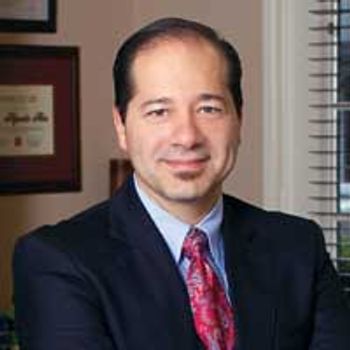
Discover cutting-edge insights on schizophrenia, mood disorders, and digital therapeutics at the 2025 Southern California Psychiatry Conference.
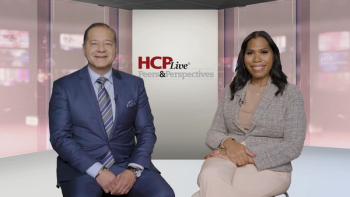
Panelists discuss how emerging treatment modalities including digital therapeutics and novel pharmaceutical agents represent an exciting new frontier that could elevate the standard of care for patients with schizophrenia when combined with traditional approaches.
Panelists discuss how to appropriately select patients for xanomeline/trospium chloride treatment, emphasizing the importance of early intervention, comprehensive medication reconciliation, and proper patient education about dosing requirements and potential adverse effects.
Panelists discuss how xanomeline/trospium chloride has shown effectiveness in clinical practice across multiple symptom domains, with patients demonstrating improved engagement, socialization, and daily functioning alongside a different but manageable adverse effect profile.
Panelists discuss how the new medication xanomeline/trospium chloride represents a paradigm shift in schizophrenia treatment through its novel muscarinic agonist mechanism that targets presynaptic dopamine activity rather than traditional postsynaptic D2 blockade.
Panelists discuss how to set realistic expectations with patients with schizophrenia by being up-front and honest while establishing open communication and strong rapport from the beginning of treatment.
In this episode of The Gus Alva Perspective, Gus Alva sits down with Roger McIntyre to discuss his highly anticipated keynote address, titled "The Intersection of Metabolism and Mood”, from the upcoming 2025 Southern California Psychiatry Conference.
Jonathan Meyer, MD, previews his session on updates in tardive dyskinesia at the upcoming 2025 Southern California Psychiatry Conference.
Panelists discuss how early intervention is crucial because psychosis causes brain atrophy over time. Clinicians should ask broader questions such as “What would you change about your life?” to identify negative and cognitive symptoms that patients prioritize, while maintaining an aspirational and empowering approach to treatment goals.
Panelists discuss how the biggest unmet needs in schizophrenia treatment include limited mechanistic options beyond D2 blockade, significant side effect burdens (weight gain, metabolic issues, cognitive blunting), and the challenge of balancing treatment benefits against risks that can lead to medication non-adherence.
Alva and Meyer offer a glimpse into what attendees can expect in the schizophrenia portion of the Southern California Psychiatry Conference.
Panelists discuss how current standard treatments primarily address positive symptoms through D2 receptor blockade medications and cognitive behavioral therapy but often provide only partial efficacy while potentially worsening negative and cognitive symptoms that most impact daily functioning.
Panelists discuss how schizophrenia affects 3.5 million Americans through 3 distinct symptom domains––positive symptoms (hallucinations), negative symptoms (social isolation, reduced functioning), and cognitive symptoms ––rather than just the commonly perceived “hearing voices.”
Discover expert insights and practical guidance in psychiatry with The Gus Alva Perspective, our latest expert-led multimedia offering.
In this part of our 5-part series, Gus Alva, MD discusses the next steps in research for long-term effects and broader applications of MDMA-assisted therapy.
In this part of our 5-part series, Gus Alva, MD explores MDMA’s neurochemical impact and the need for ongoing research.
In this part of our 5-part series, Gus Alva, MD highlights the importance of education and overcoming skepticism about MDMA-assisted therapy.
In this part of our 5-part series, Gus Alva, MD talks about MDMA's efficacy in controlled settings and addresses misconceptions.
In this part of our 5-part series, Gus Alva, MD discusses the unmet need in PTSD treatment and the potential of MDMA-assisted therapy.

June 5th 2025
June 12th 2025


