Jordan E. Axelrad, MD, MPH, on selecting first-line IBD therapy, treat-to-target monitoring, and how living with Crohn's shapes patient care.
Jordan E. Axelrad, MD, MPH, on selecting first-line IBD therapy, treat-to-target monitoring, and how living with Crohn's shapes patient care.
A gastroenterologist explains why IBD symptoms don't always signal a flare, the biomarkers used to confirm inflammation, and counseling patients through Crohn's disease.
Jordan Axelrad, MD, MPH, discusses first-line IBD therapy selection, sequencing after failure, treat-to-target monitoring, and evaluating new agents
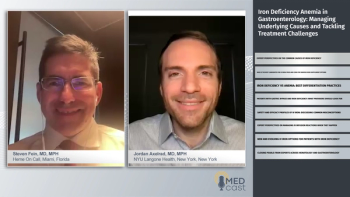
Panelists discuss how understanding the causes of iron deficiency anemia, selecting appropriate treatments such as intravenous iron, and tailoring therapies to individual patient needs are critical for effective management, particularly in patients with gastrointestinal conditions.
Panelists discuss how understanding the causes of iron deficiency anemia, selecting appropriate treatments such as intravenous iron, and tailoring therapies to individual patient needs are critical for effective management, particularly in patients with gastrointestinal conditions.
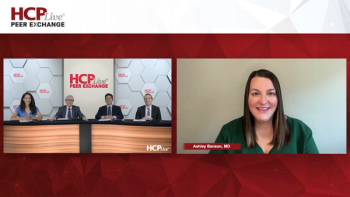
The expert panel concludes its discussion with insights on how collaboration and communication across various healthcare specialties improve the care of patients treated for iron deficiency anemia.
The panel discusses the mechanism of treatment-emergent hypophosphatemia that occurs following the administration of certain intravenous iron formulations.
Experts on iron deficiency anemia discuss practical tools they utilize for the clinical administration of intravenous iron.
Steven Fein, MD, MPH, shares insights on the management of infusion reactions seen in patients receiving intravenous iron.
Layla Van Doren, MD, discusses the management of complement activation-related pseudo-allergy (CARPA) in patients receiving intravenous iron infusions.
A panel of experts on iron deficiency anemia discuss the safety of intravenous iron infusions, highlighting data from clinical studies.
Experts on iron deficiency anemia share clinical practices for patients receiving intravenous iron.
Michael Auerbach, MD, provides an overview of the utility of generic formulations of iron in addressing iron deficiency anemia.
A panel of experts on iron deficiency anemia discusses formulations available for iron infusions, highlighting factors that inform selection.
Experts in hematology, gastroenterology, and obstetrics and gynecology detail their experiences with the real-world application of intravenous iron in their clinics.
An obstetrician-gynecologist addresses the unmet clinical needs in the treatment of patients with iron deficiency anemia, particularly for pregnant patients.
The expert panel discusses why intravenous iron replacement used to be associated with unacceptable toxicity and has become much more tolerable over time.
Ashley Benson, MD, discusses the most recent International Federation of Gynecology and Obstetrics (FIGO) statement on iron deficiency and anemia in women and girls.
Hematologists, a gastroenterologist, and an obstetrician-gynecologist discuss the common causes of iron deficiency seen in clinical practice.
The panel provides a broad overview of the treatment of patients with iron deficiency, highlighting diagnostic practices.
A panel of experts on iron deficiency anemia introduce themselves and provide an overview of the physiology of iron metabolism and iron deficiency.
Expert providers in inflammatory diseases provide additional resources on biosimilars and adalimumab biosimilar for patients and providers.
Providers in inflammatory diseases discuss the instrumental role nurses and support staff play in educating patients on adalimumab biosimilars.

Drs Lio, Botsoglou, and Alexrad discuss the most asked questions and common concerns patients have on adalimumab biosimilars.
Clinicians and a pharmacist discuss how they are managing access and assistance with copay assistance program in their practices.
Healthcare providers in inflammatory diseases talk about the role they have on encouraging adalimumab biosimilar use in clinical practice.
Specialists in rheumatology, dermatology and gastrointestinal disease share their clinical experience on initiating or switching their patients on adalimumab biosimilars.
Specialists in rheumatology, dermatology and gastrointestinal disease discuss the evidence on efficacy and safety on switching patient to an adalimumab biosimilar.
Providers in rheumatology, dermatology and gastrointestinal disease talk about how they are selecting between the various adalimumab biosimilars available for their patients.
A clinical pharmacist and specialists in rheumatology, dermatology, and gastrointestinal disease share strategies in how to increase the uptake of adalimumab biosimilar among providers.
September 6th 2024