

Infants with obstructive sleep apnea may also be at an increased risk of negative outcomes associated with COVID-19.
Kenny Walter is an editor with HCPLive. Prior to joining MJH Life Sciences in 2019, he worked as a digital reporter covering nanotechnology, life sciences, material science and more with R&D Magazine. He graduated with a degree in journalism from Temple University in 2008 and began his career as a local reporter for a chain of weekly newspapers based on the Jersey shore. When not working, he enjoys going to the beach and enjoying the shore in the summer and watching North Carolina Tar Heel basketball in the winter.
Infants with obstructive sleep apnea may also be at an increased risk of negative outcomes associated with COVID-19.
There are a number of reasons why identifying obstructive sleep apnea in infants is difficult, but new research shows feeding dysfunction could be an early link.

Patients with OSA during REM sleep experience lower oxygen saturation and longer times with oxygen saturation.

Individuals with obstructive sleep apnea were more frequently male, obese, and had more coronary heart disease when compared to those without OSA.

Treatment drug results in a significant reduction in severe exacerbations for patients with eosinophil ≥150 cells/µL.

New trial testing vitamin D supplementation in pediatric asthma patients was stopped early because of ineffective data.

When compared to placebo, benralizumab results in a significantly improved asthma exacerbation rates.
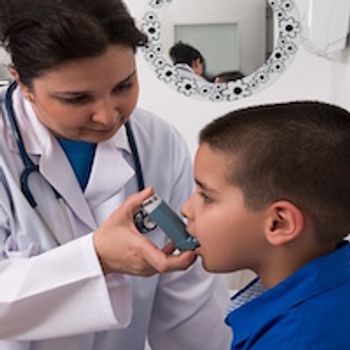
New research show younger age is associated with a non-response to biologic agents.

While initial double therapy has proven effective in treating pulmonary arterial hypertension, adding selexipag to the treatment regimen of macitentan and tadalafil could be beneficial in this patient population.

Electronic nicotine device use could lead to a number of respiratory outcomes such as wheezing and dry coughs.

In a pair of Canadian cohorts, investigators discover asthmatic children are older on the epigenetic clock.
In a study of 578 infants, investigators discover more female infants suffered from OSA.

Between 2006-2016, the hospital mortality rates for patients with ILD did not change.

Maternal antenatal depressive symptoms also linked to offspring depression at age 18.

Patients with more severe viral infections had higher rates of gastrointestinal symptoms.

Investigators discover Veterans are not at a higher risk of developing dementia than civilians.

The virtual version of cognitive behavioral therapy could yield significant healthcare cost savings.
Both inflammatory bowel disease and celiac disease share similar risk factors.

Social distancing measures could increase the risk of psychotic symptoms.

More studies are needed to discover the true impact of head impacts, not just concussions, for athletes.

Investigators find individuals with asthma who slept less than 5 hours per night had increased asthma attacks and overnight hospitalizations.

Investigators find bowel wall abnormalities in 31% of CT scans conducted in a 412 patient study.

Because symptoms can manifest differently in each patient, some individuals with schizophrenia have handled social isolation better than others.

Since the beginning of the COVID-19 pandemic most non-urgent medical appointments have been conducted using telehealth.
With the majority of the scientific research community focused, a COVID-19 vaccine could be on the horizon.

While recent data regarding remdesivir has been positive, there is still a need for medications in pill form to treat COVID-19 infections.
A combination of medications and therapy is viewed as the most effective method of treating schizophrenia.
A physician's assistant for Oasis Lifecare discusses some of the new and promissing treatments for schizophrenia.

Investigators found 30 mg of apremilast results in a significant reduction in plaque psoriasis patients.

Individuals who commonly eat popcorn and drink milk have smaller odds of developing IBD.