
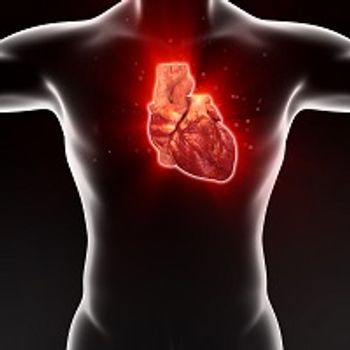
Study finds that cardiovascular disease accounts for almost 40% of deaths in young adults with end-stage renal disease.
Patrick Campbell is the editorial director of HCPLive. Patrick has spent years spearheading coverage surrounding cardiometabolic health and rheumatic disease for MJH Life Sciences. Before joining MJH Life Sciences in 2019, he spent time as a beat reporter and/or multimedia specialist with the Pocono Record, Star News Group, and NJ Advance Media. He is the executive producer for multiple HCPLive podcasts, including Diabetes Dialogue, Don't Miss a Beat, Kidney Compass, Medical Ethics Unpacked, The Medical Sisterhood, and Skin of Color Savvy.
Follow him on Twitter @RealPatCampbell or reach him via email at PCampbell@mjhlifesciences.com.
Study finds that cardiovascular disease accounts for almost 40% of deaths in young adults with end-stage renal disease.

Observed data from a 96,000-plus participant survey found the popularized cigarette alternative is also associated with a greater risk of depression.

A new study of a blood pressure-monitoring mobile app reports patients with diabetes could reach better thresholds.

A 5000-plus patient study found that about 80% of young women have never been administered a lipid test.

The rate of heart attacks among patients under 40 years old has been increasing by 2% annually for the past decade.

The ACC, in conjunction with the AHA and Heart Rhythm Association, released their 2019 guideline for the management of patients with atrial fibrillation.

FDA approved Rocklatan, a once-daily eye drop produced by Aerie Pharmaceuticals Inc., for patients with open-angle glaucoma or ocular hypertension.

University of Colorado study finds choline can help prevent fetal brain development problems in expecting mothers who experience illness.

Physicians found bempedoic acid was capable of reducing LDL-C by another 18% without muscle or liver issues due to high-dose statin regimen.

A review of suicide prediction models reveals limited practical application on larger populations.
Despite previous observations that high-quality diet correlates to lower depression symptoms, new results paint a different picture.