

UCB announced that a new dosing option for bimekizumab-bkzx is now available through prescription for conditions such as psoriasis, hidradenitis suppurativa, and psoriatic arthritis.
Tim Smith joined the MJH Life Sciences team in 2022 and is currently an associate editor for HCPLive. He is also the executive producer of two podcasts: Skin of Color Savvy and The Medical Sisterhood. Previously, he was the producer of the Lungcast podcast. He graduated from UC Berkeley and worked in multimedia journalism as a staff writer prior to joining MJH. You can contact him at [email protected].
UCB announced that a new dosing option for bimekizumab-bkzx is now available through prescription for conditions such as psoriasis, hidradenitis suppurativa, and psoriatic arthritis.
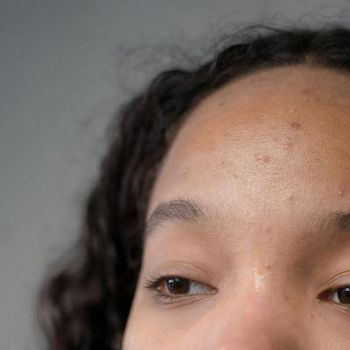
This study pointed to the abilities of patients with acne to adapt to stress and adversity as helpful in making skin-related quality of life improvements.

These retrospective data highlight maternal alopecia areata’s link with the risk of adverse birth outcomes among infants.

This analysis is described as the first to identify predictive factors of oral candidiasis in individuals with psoriasis who are treated with bimekizumab.

These findings suggest that zinc and vitamin D levels may function as a disease severity indicator for patients with alopecia areata.

These data highlight the long-term efficacy of baricitinib, a JAK 1/2 inhibitor, for patients with severe alopecia areata in a real-world setting.

These findings on asthma healthcare utilization resulted from the lack of a winter peak in RSV during the first months of the COVID-19 pandemic.

In this study, investigators pointed to existing resources available for mental health care among those with various skin conditions.

This study looks into the relationship of caffeine intake among pregnant mothers with asthma development outcomes among their offspring.

This analysis highlights the transcriptomic patterns of chronic hand eczema, indicating the potential of novel drug targets.

These findings highlight the value in understanding and recognizing gender differences in patient experiences with hidradenitis suppurativa and their impact on life quality.

New topline data released by Inmagene indicate positive findings from a phase 2a trial on IMG-007 for moderate-to-severe atopic dermatitis.

In this analysis, investigators highlighted various disease-related views and experiences dermatologists may wish to consider among Latine patients with psoriasis.

Patients in this post-hoc analysis with elevated CRP were found to have a higher BMI and more severe hidradenitis suppurativa.
This analysis using worldwide data from GBD 2021 indicates that the global burden of eczema in children has gradually risen and has been projected to continue increasing.
These data shed light on the association between parental age at the time of delivery and development of 6 allergic diseases.
In this analysis, a retrospective and multi-center study was conducted to determine any predictors of biological therapy intensification in individuals with HS.

This analysis highlights the connection between organic food consumption and respiratory/allergic morbidity among those of school age.

These data highlight the connection between obesity, nutrition habits, and psycho-emotional status to the etiopathogenesis of seborrheic dermatitis.
In this edition of HCPLive’s newsletter on monthly US Food and Drug Administration (FDA) news, we cover updates from across therapeutic pipelines in December.
This study’s investigators examined long-term risk of dementia and Alzheimer’s dementia in patients with psoriasis, highlighting several notable findings.

The investigators assessed the proportion of households that chose to eliminate allergens by specific allergies to foods and to evaluate related psychosocial functioning among families.

In this analysis, baseline peanut sIgE was shown to be a stronger predictor of remission after peanut OIT than age at the beginning of immunotherapy treatment.
These data highlight long-term complications related to COVID-19 in terms of skin conditions, a continuing concern for many patients.
Lungcast reflects on this year in pulmonology, looking back at such topics ranging from the American Lung Association ‘State of the Air’ report to artificial intelligence in lung imaging.

The field of allergy medicine this year saw a variety of developments, including the FDA approvals of neffy and omalizumab as well as new data on immunotherapy.
The field of dermatology saw a wide array of notable developments this year, with highlights including FDA approvals as well as notable clinical trial results.
In this episode of Crisis Point, this year’s news regarding benzene found in acne products is discussed by David Light, Neal Bhatia, MD, and Christopher Bunick, MD, PhD.

These data expanded upon limited real-world data on retention of dupilumab past 2 years of treatment for patients with atopic dermatitis.
In this case–control study, investigators identified relevant comorbidities among individuals with bullous pemphigoid before and after their diagnoses.