





























































How PTSD care can be, and should be, individualized for particular patient needs.
How PTSD care can be, and should be, individualized for particular patient needs.

Patient demographics influence difference symptoms, progression, and benefits of care.

How to weigh the 5 agents from the drug class, which have each shown differing benefit in younger patients.

A new analysis from the World Health Organization has found 80% of children across 146 countries, including the United States and Canada, fail to meet the recommended guideline of 1 hour of activity per day.

The approval allows Medtronic to move forward with the IN.PACT AV balloon to treat failing arteriovenous access for patients with end-stage renal disease undergoing dialysis.

Why US patients are now in absolute need of proven measures to lessen their risk of cardiovascular burden.
How preventive care strategy adherence could bolster heart disease risk reduction in entire families.

How cardiologists have forged the often different goals of improving patients' life expectancies, with improving their quality of life.

A national study underlined a persistent trend of cardiovascular events among US women near giving birth.
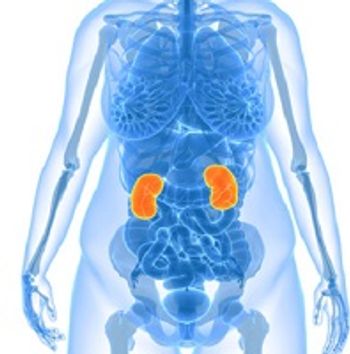
Studies are ongoing to test the safety and efficacy of treating primary hyperoxaluria type 1 patients with lumasiran.

Could the drug class best serve patients as an adjunctive, a monotherapy, or maybe a prophylaxis for symptoms?

Though research behind preventive measures is lacking, there are common steps that could be taken to reduce pediatric risk.

Listen in to the audio transcript of a policy- and public health-based discussion on mental health stigma from a panel of experts.

How can physicians train parents to trust immunotherapy—an allergen exposure they were previously told to avoid?

A growing patient population and burdens of physician shortage require specialists and primary care collaborate more and more.
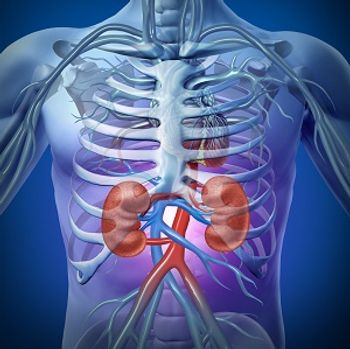
During Kidney Week, investigators present data showing that canagliflozin could be beneficial for patients across various levels of kidney function.

A new survey shows patients and family members prefer telemedicine physician visits as much as they do in-person appointments—or even more so than the latter.

Investigators present new data from the OLYMPUS and ROCKIES trials during Kidney Week.

New findings from the phase 3 PALISADE and ARTEMIS trials show more than half of treated patients could tolerate 1000 mg peanut protein in a post-care food challenge.

Millie Long, MD, MPH, FACG, associate professor of medicine at the University of North Carolina, Chapel Hill, shares takeaways from a poster presentation at ACG 2019 on the use of day care and infectious complications in children born to mothers with inflammatory bowel disease.

A new study from Icahn School of Medicine at Mount Sinai found increases in exposure to fine particulate matter before birth were associated with heart rate variability during infancy.

A discussion with a director from the American Public Health Association on what drives the increasing burden of mental illness in the US.
The IUD has been shown to provide 99% efficacy in pregnancy prevention in a 1700-patient trial.
The supplemental new drug application was approved based on results of a phase 3 trial in which IV-to-oral delafloxacin met the primary end point of statistical non-inferiority to moxifloxacin.
The rapid-acting insulin will now be used in infusion pumps to treat adults with Type 1 or Type 2 diabetes.