

CHEST 2025 data suggest OSA is an "effect modifier" on the mortality benefit of GLP-1 receptor agonists in patients co-diagnosed with type 2 diabetes.








CHEST 2025 data suggest OSA is an "effect modifier" on the mortality benefit of GLP-1 receptor agonists in patients co-diagnosed with type 2 diabetes.
Rali highlights a series of randomized, controlled trials that could reinvigorate the recently stagnant field of PE treatment development.

A study featured at CHEST 2022 investigated INCS in children with OSAS to determine if the therapy improved their symptoms, polysomnography findings, behavior, and quality of life.

New data show patients hospitalized with COVID-19 far more frequently suffer from cardiometabolic disease, yet face worse outcomes with COPD.

A new study shows that bronchoscopy practice, procedure, and tools vary by facility, and in assessment duration.

From medical marijuana to vape devices, there seems to be a divide in defining what's legal for use, and what's actually beneficial for users.

How the LAMA therapy manages one of the integral facets of COPD care.

While one disease is benefitting from advancing digital screening measures, the other has a standard therapy which could provide benefit to both.

How should physicians navigate the public belief that vaping is less harmful than cigarette smoking?
How the aclidinium bromide trial brings novel perspective to COPD care.

Are diagnostics and drugs optimized for pulmonary hypertension?

New ASCENT-COPD data show the therapy's benefit in reducing cardiovascular events among high-risk patients, along with significant exacerbation reduction.
What the introduction of aclidinium/formoterol could mean for patients with COPD.

Though new therapies are still in the distant future, advances in diagnosis may be on the horizon.

Distinguishing pulmonary arterial hypertension in patients is a difficult early diagnosis. But seeking out a combination of unexplained symptoms is a good first step.
Experts advise that primary care physicians give pause next time they treat a patient with unexplained dyspnea—could it be pulmonary hypertension?
Though the commonly accepted ratio is 3:1 women, longtime clinicians suggest PAH ratio is more likely closer to 4:1.

Mary Beth Scholand, MD, outlines the best treatment practices for idiopathic pulmonary fibrosis (IPF) to date and therapies worth investigating in the future.

Nicola Hanania, MD, MS, director of the Airways Clinical Research Center at Baylor College of Medicine, explains the latest research on COPD treatments and outlines how they all measure.

The 2019 CHEST Meeting in New Orleans may be headlined by newly approved therapies including dupilumab and tezepelumab.
Using data registries from initial trials, companies such as Actelion will be looking to expand research beyond the first first or second year of care in patients with PAH.

Recent trials have evidenced that minority patient groups in particular are more likely to worsen their primary treatment adherence while embracing alternative medicine measures.
Data from a subgroup analysis of the IMPACT study, which compared inhale triple therapy FF/UMEC/VI to dual therapy FF/VI and UMEC/VI for the treatment of COPD, has been released.

FEF25-75 may be used as a parameter for early detection of beginning small airway obstruction in smokers with normal FEV1/FVC.

Once physicians know if it's the cause of PAH or just simply an overlap, comorbidities have to be closely monitored as disease progression.

A twice-daily 50 mcg dose of the nebulized LAMA therapy also had better results for patients with poor FEV1 compared to tiotropium.
Why delving into the symptoms of the most at-need patients is critical for care.

Clinical research has begun to distinguish biomarkers for both conditions, research has established their similarities, and therapies are becoming pathway-based. Should asthma-COPD diagnoses be necessary?
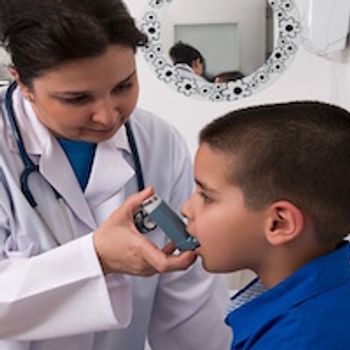
Investigators from the Nationwide Children’s Hospital assessed family history in relation to asthma control in pediatric patients.
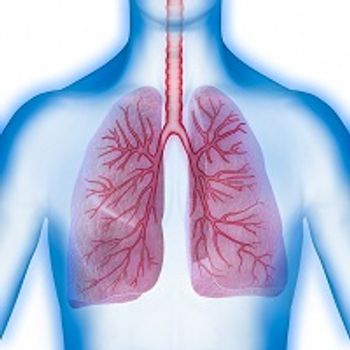
A COPD care bundle delivered by a multidisciplinary health care team can reduce hospital readmission rates for acute exacerbations of COPD (AECOPD).