

These data highlighted which drug, in combination with topical corticosteroids, produced the best efficacy results for those with atopic dermatitis.
These data highlighted which drug, in combination with topical corticosteroids, produced the best efficacy results for those with atopic dermatitis.

These data, presented at RAD 2024, highlight the potential benefits of upadacitinib for adults and adolescents observed in the Measure Up 1 and Measure Up 2 studies.
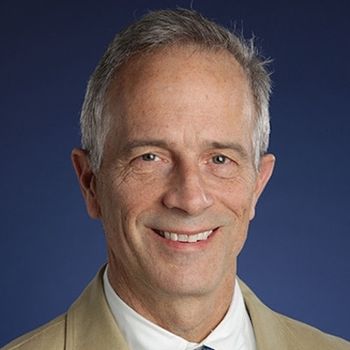
Sidbury covered the similarities and differences between the new guideline updates by the AAD on atopic dermatitis as well as differences with other organizations’ guidelines.
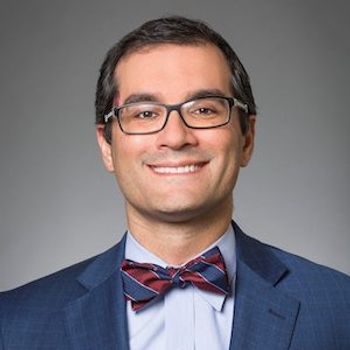
In new late-breaking data, alopecia patients’ real-world incidence of atopic dermatitis was highlighted by investigators.

These data presented at RAD 2024 highlight the differences among eczema patient preferences in terms of administration modes, risk levels, and more.
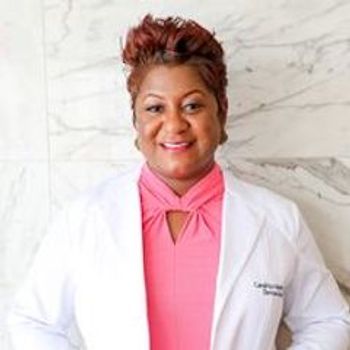
An analysis of survey data from more than 200 patients with atopic dermatitis details treatment satisfaction and provider trust based on racial/ethnic backgrounds of patients.

This late-breaking data featured at RAD 2024 highlights several improvements in patient reported outcomes observed among atopic dermatitis patients, including itch relief.

This interview at RAD 2024 featured a discussion by Bissonnette of recent data related to 4 topical drugs for patients with atopic dermatitis.
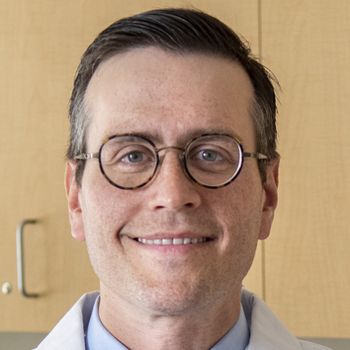
A post-hoc analysis of the ARCADIA program provides insight into the speed of itch relief onset observed with nemolizumab among patients with moderate-to-severe atopic dermatitis.
In his RAD 2024 talk, Bissonnette presented recent data on 4 topical drugs for atopic dermatitis, including crisaborole and ruxolitinib.
Jonathan Silverberg, MD, PhD, MPH, discusses how the results of the LEVEL UP trial impact treatment decisions for patients with moderate-to-severe atopic dermatitis.
LEVEL UP data presented at RAD 2024 provide additional insight into the phase 3b/4 trial comparing upadacitinib and dupilumab in atopic dermatitis beyond the primary endpoint.
Treating eczema twice-daily with ruxolitinib cream, 1.5% led to positive results for children in the age range of 2 to 11 years.
In this open-label extension trial presented at RAD 2024, the long-term safety and efficacy results of roflumilast cream in adults and children with eczema was highlighted.
Rosmarin discussed several treatments in development covered in his RAD 2024 presentation for the treatment of patients with eczema.
Study from RAD 2024 finds 36% higher risk of nonmelanoma skin cancer in patients with atopic dermatitis relative to matched controls.

In this interview, Chovatiya spoke about his second RAD 2024 talk regarding achieving remission with currently available eczema treatments.
An analysis of data from the LIBERTY AD trial presented at RAD 2024 details the risk of infections observed with dupilumab use with up to 5 years of follow-up.

This RAD 2024 interview featured a discussion of currently FDA-approved atopic dermatitis therapies and their comparisons.

This segment of Paller’s RAD 2024 interview covers tips for treating children with biologics as well as unmet needs of eczema patients and upcoming treatments.
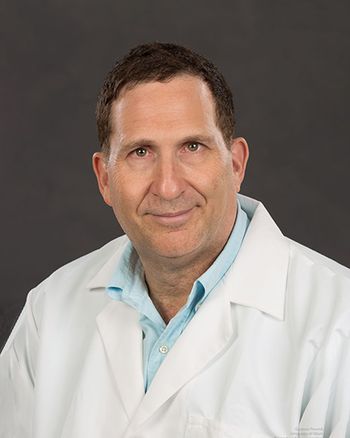
An analysis of data from the NIH's All of Us program details the prevalence of fatigue among patients with pruritus among US patients.
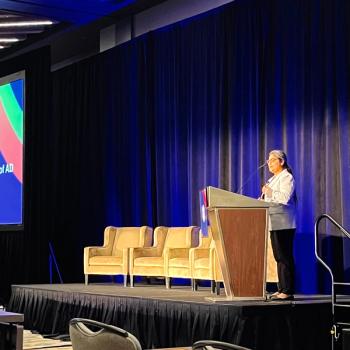
In her presentation at RAD 2024, Singh highlighted ways to manage the atopic comorbidities linked to eczema in children.
The global, real-world TRACE study was designed to improve the understanding of tralokinumab’s safety, efficacy, and clinical utilization in daily practice for eczema.
In her RAD conference interview, Paller describes several treatments featured in her talk on the subject of pediatric eczema.
A real-world analysis of 60 patients suggests traolkinumab was effective in atopic dermatitis, regardless of prior therapy use.
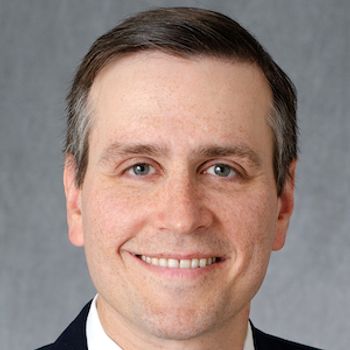
This interview with Silverberg featured a discussion of new data on systemic therapies for various dermatologic conditions.

In an interview at RAD 2024, Silverberg discusses ways to help patients navigate such comorbidities associated with eczema.
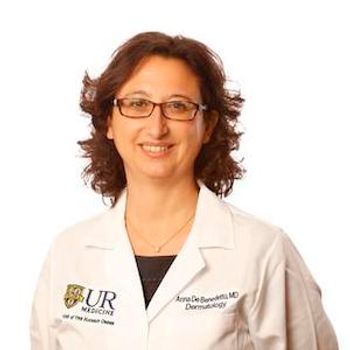
In this interview, de Benedetto discusses the major takeaways from her RAD 2023 conference presentation titled ‘New discoveries in the science of atopic dermatitis.’
In this interview segment, Chovatiya touched upon the late-breaking data he had presented at RAD 2023 conference on tapinarof cream 1% for younger eczema patients.
In his RAD 2023 conference presentation, Chovatiya discussed data on recent therapies for eczema such as upadacitinib, ruxolitinib, tralokinumab, and dupilumab.