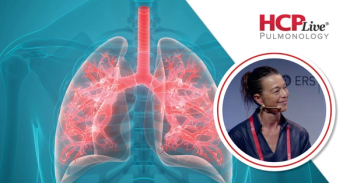
Florence Schleich, MD, PhD, explains how exacerbation phenotypes and useful biomarkers shift across anti-IL-5, anti-IL-5R, and anti-TSLP therapies.
Polverino stresses the need for prospective analysis to validate CC16 and mucus plugs as viable biomarkers for COPD status.
It's a common misconception that there are no biomarkers available to determine
In an interview with HCPLive at the
But a lack of investigation into more promising biomarkers like mucus plugs and club cell protein (CC16) — both of which may help determine a patient’s true response to diverse therapy strategies — stalls targeted therapy development.
“I think [CC16] is next in line,” Polverino said. “All we need is a clinical trial in which CC16 is used prospectively…I think it’s going to be probably the most powerful biomarker in COPD, just because it relates to all patients with COPD, not just a subset of [type 2] COPD patients like eosinophils.”
Polverino referenced very recently published analysis from her and a team of colleagues showing a correlation between lowered CC16 levels and accelerated lung function decline and progression of emphysema. The findings even showed the biomarker’s ability to determine pediatric disease progression: children with lowered levels had correlative obstructive physiology and early small airway impairment.
There has been ample early data supporting the potential of CC16 and mucus plugs in determining COPD status; Polverino wants to see that potential be finally met.
References