Participants described how they use risk assessment, payer requirements, and patient preference to sequence PAH therapies.
According to a recent study, nearly 32.2% of US adults are well above their LDL-C targets to avoid atherosclerotic cardiovascular disease.
The majority of US adults are significantly above low-density lipoprotein cholesterol (LDL-C) goals, according to an analysis including the 2026 American College of Cardiology/American Heart Association
The updated 2026 guidelines included the reintroduction of the Predicting Risk of Cardiovascular Disease EVENTs (PREVENT) equations to replace the existing pooled cohort equations (PCEs), as well as the establishment of risk-based LDL-C treatment goals. These updated goals prompted a reevaluation of the proportion of patients still above new LDL-C goals to estimate the prevalence of dyslipidemia and its ensuing conditions in the US.2
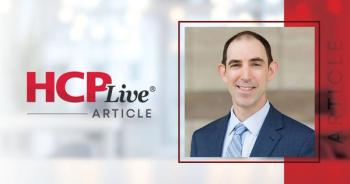
The present study, conducted by Shady Abohashem, MD, MPH, the head of cardiac PET/CT imaging trials and an instructor at Harvard Medical School, and colleagues, seeks to examine the degree to which US adults are exceeding their LDL-C goals—and how many are receiving lipid-lowering therapy to reverse this.1
Abohashem and colleagues gathered data from the National Health and Nutrition Examination Survey (NHANES) 2021-2023 cycle, prioritizing adults aged 30 to 79 years. Response rates were 25.7%—the team adjusted survey weights for nonresponse, and no evidence was found regarding systematic nonresponse bias.1
The team estimated 10-year
Abohashem and colleagues derived LDL-C from venous blood collected during the morning fasting subsample of the NHANES mobile examination visit. Reference goals were assigned by the patient’s risk category, with less than 160 mg/dL for low-risk adults, less than 100 mg/dL for borderline adults, less than 70 mg/dL for high-risk adults, less than 70 mg/dL for adults with ASCVD not meeting very high risk criteria, and less than 55 mg/dL for adults with ASCVD meeting very high risk criteria. Secondary analyses determined lipid-lowering therapy use among patients above LDL-C goals via self-reported use of prescription medication for high cholesterol.1
A total of 2313 patients were included in the analytic sample, representing roughly 177.7 million adults (87.8% in primary prevention, 12.2% in secondary). Among the primary prevention cohort, roughly 32.2% had LDL-C above guideline-recommended goals (95% CI, 29.6%-34.9%). Prevalence increased among higher-risk categories.1
Among low-risk adults, 9.9% were above goal; 63.6% of borderline/intermediate risk adults were above goal, and 82.7% were above goal among high-risk adults. The proportion above goal was notably higher among older male adults. Of adults with established ASCVD, 79.6% were above goal (95% CI, 73.5%-84.8%). Among adults above goal, roughly 76.1% (95% CI, 71.1%-80.6%) in primary prevention and 37.6% (95% CI, 29.9%-45.8%) in secondary prevention were not receiving lipid-lowering therapy.1
Abohashem and colleagues attributed the observed treatment gaps to a variety of factors, including clinical inertia, limited patient awareness, and barriers to adherence or access. Additionally, while primary prevention patients’ next step was statin initiation, secondary prevention typically included patients already on lipid-lowering therapy and required intensification with higher-intensity statins or nonstatin therapies.1
The team also reported potential limitations to the study, including reduced NHANES response rates and participant self-report of ASCVD status and use of lipid-lowering therapy. Additionally, the AHA/ACC guidelines do not explicitly state an LDL-C goal for low-risk adults.1
“These estimates reflect contemporary lipid levels prior to release of the guideline, and future studies are needed to evaluate how adoption of the updated guideline may influence lipid management and cardiovascular outcomes in practice,” Abohashem and colleagues wrote.1