Key Takeaways:
- Icotrokinra (Icotyde), the first oral IL-23 receptor antagonist for plaque psoriasis, was FDA approved in March 2026 and showed strong efficacy (65% IGA 0/1, 50% PASI 90 at Week 16) versus placebo.
- Combination therapy pairing ixekizumab with tirzepatide significantly outperformed ixekizumab alone in psoriatic arthritis patients with obesity or overweight, per the TOGETHER-PsA trial.
- Saakshi Khattri, MD, says these advances are shifting psoriasis care toward biologic-level oral options and making conversations about weight and comorbidity easier with patients.
Oral systemic therapy for plaque psoriasis has historically lagged injectable biologics in efficacy. The US Food and Drug Administration (FDA) approved icotrokinra (Icotyde), the first oral IL-23 receptor antagonist for moderate to severe plaque psoriasis, in March 2026. The ICONIC-LEAD trial found 65% of patients reached an Investigator's Global Assessment score of 0/1 and 50% achieved PASI 90 at week 16, versus 8% and 4% with placebo (P <.001).¹
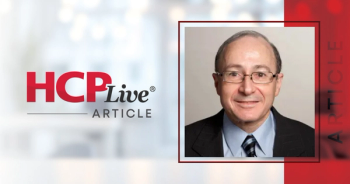
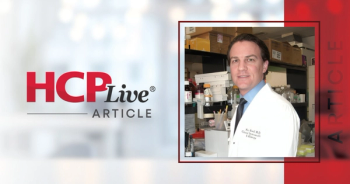
"It's exciting times to be a psoriasis patient, to be a prescriber in the psoriasis space," said Saakshi Khattri, MD, associate professor and director of the Center for Connective Tissue Diseases at the Icahn School of Medicine at Mount Sinai.
Zasocitinib, an investigational TYK2 inhibitor, produced comparable clearance in its phase 3 LATITUDE trials.² Combination therapy targeting metabolic comorbidity also advanced in 2026. The phase 3b TOGETHER-PsA trial found ixekizumab plus tirzepatide produced greater joint disease control than ixekizumab monotherapy in patients with psoriatic arthritis (PsA) and obesity or overweight. Of combination-therapy patients, 31.7% reached ACR50 response plus at least 10% weight loss at week 36, compared with 0.8% on monotherapy (P <.001).³
Clinicians have long observed higher body mass index blunts response to systemic psoriasis therapy, and 2026 trial data now support treating weight alongside skin and joint disease directly. Within the following Q&A interview, Saakshi Khattri, MD, discusses the evolving oral and combination treatment landscape for psoriasis and psoriatic arthritis:
HCPLive: How are new oral treatment options changing the conversation around psoriasis therapy?
Khattri: I'm super stoked to have oral options that have biologic-like efficacy, if I can use that terminology, because historically we've had injectables and we've not had really good oral options that get you clear skin. That's the biggest shift we're seeing in the treatment of psoriasis right now: we have oral options, one that's been approved a few months ago, and others in the pipeline with different MOAs, like the TYK2 inhibitors, that have efficacy comparable to what we'd expect with systemic biologics. It's exciting times to be a psoriasis patient and a prescriber in the psoriasis space, so there's a lot to look forward to.