
Opinion|Videos|November 27, 2024
Severe Hypertriglyceridemia
Key Takeaways
- Familial chylomicronemia syndrome (FCS) is a genetic disorder causing severe hypertriglyceridemia due to impaired lipoprotein lipase activity.
- FCS leads to extremely elevated triglyceride levels, increasing the risk of recurrent pancreatitis and other complications.
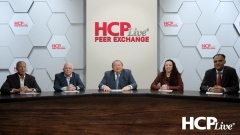
Panelists discuss how Familial Chylomicronemia Syndrome (FCS) fits into the context of severe hypertriglyceridemia, highlighting its distinct characteristics and the associated risks of acute pancreatitis.
Advertisement
Episodes in this series
Video content above is prompted by the following:
How does FCS fit into the context of severe hypertriglyceridemia?
Advertisement
Related to this article

Stress led all triggers, and a sense of an impending attack was the most reliable prodrome in patients with HAE-C1INH in the US HAEA Scientific Registry.
Stay updated with the latest healthcare breakthroughs, including the FDA approval of insulin efsitora alfa-gobe (Onswik).

Approval is based on 36-week data from BRAVE-AA-PEDS, in which 42% of patients on the 4 mg dose achieved a SALT score of 20 or less, compared with 5% on placebo.
The FDA approved once-daily oral zilurgisertib for FOP in patients aged 12 years and older after the phase 2 PROGRESS trial showed reduced new heterotopic ossification vs placebo.
Approval covers patients aged ≥2 years with frequently relapsing or steroid dependent disease in complete remission.

As the FDA weighs its first psychedelic approval, Sarah Norman, MPP, says training, credentialing, and reimbursement are lagging while patients are already asking.
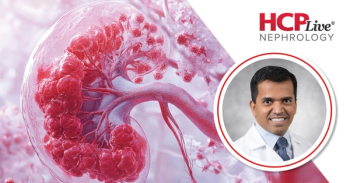
Pranav Garimella discusses what a potential USPSTF kidney screening recommendation could mean for high-risk adults and primary care.

Andrea Murina, MD, weighs whether she would recommend medicine to her own children amid AI, physician burnout, and evolving residency training standards.
Advertisement
Advertisement
Trending on HCPLive
1
FDA Approves Obinutuzumab (Gazyva) for Idiopathic Nephrotic Syndrome
2
The Case for Routine Kidney Screening, With Pranav Garimella, MBBS, MPH
3
Hereditary Angioedema Triggers, Prodromes Mapped in US HAEA Registry
4
What The FDA Psychedelic Hearing Means for Psychiatrists
5