SOCS leaders explain SOCS Serves, a toolkit-based program connecting dermatology volunteers with students and underserved communities.
This SOCS News Update was filmed on-site at the 2025 AAD meeting, highlighting Nambudiri’s work and the launch of the AAD Clinical Image Collection.
In this News Update edition of
The
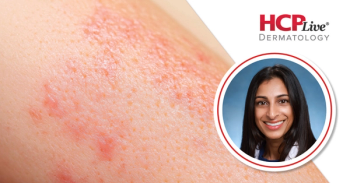
The conversation explores how this collection can serve as a pivotal tool for educators, trainees, and clinicians alike. Nambudiri highlights several unique features of the image library, emphasizing its open-access model and grassroots approach to content creation. The collection is sourced directly from dermatologists across the US and internationally, allowing it to capture a rich breadth of clinical presentations in varied skin tones. The accessibility of the images empowers members to incorporate them into medical lectures, peer-to-peer education, and patient discussions, enhancing communication and diagnostic clarity. Already, clinicians have used images from the collection to illustrate conditions in lectures for primary care audiences or to help patients visualize how their skin disease may evolve.
A key point of pride in the initiative is its collaborative structure. The Skin of Color Society (SOCS) has played an integral role in its development, with SOCS members actively serving on the working group that curates and reviews the submitted content. Nambudiri praises this collaboration as vital for ensuring that images across all skin types are properly represented and that the resulting tool remains clinically relevant and equitable.
Submission to the collection is open to any AAD member. SOCS members may also contribute images via the Society’s own website, where submissions are routed directly to the AAD portal. For non-members, Nambudiri notes that contributions are welcome through direct communication with AAD staff via the image collection website.
The episode closes by reinforcing the importance of building a more inclusive dermatologic knowledge base—1 image at a time. As Nambudiri underscores, accurate, diverse representation in educational imagery is essential to improving patient care across all communities and equipping future dermatologists with the tools they need to diagnose and treat skin disease in every skin tone.
Editor's note: This podcast summary was developed using artificial intelligence tools.