
News|Videos|October 31, 2024
Stress Triggers IBS Symptoms, Impacts Quality of Life More Than Diet, Study Finds
Author(s)Abigail Brooks, MA
Key Takeaways
- A new IBS classification system based on stress and dietary triggers may improve personalized treatment strategies.
- Psychological stress impacts IBS symptoms and quality of life more than dietary factors, according to recent research.
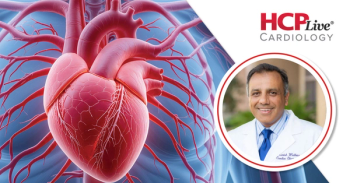
Mohammad Abuassi, MD, explains how classifying IBS based on triggers can aid the development of effective, personalized approaches to management.
Advertisement
New research is calling attention to the potential value of a novel
Study findings were presented at the
IBS is typically subclassified into IBS with diarrhea, IBS with constipation, or IBS with mixed bowel habits. In an interview with HCPLive, lead investigator Mohammad Abuassi, MD, PGY2 at the University of Central Florida/HCA Healthcare GME, explained how his study is the first to classify IBS based on stress and diet triggers in an attempt to understand why treatment with dietary modifications or selective serotonin reuptake inhibitors only work for some patients and not others.
“It's the first study in the literature that looks into the IBS from that standpoint,” Abuassi said, going on to describe the value of his research for personalizing IBS treatment based on which category patients fall into.
The study enrolled 309 patients, 59.9% of whom were female with a mean age of 28.82 ± 10.8 years. Participants were asked questions about their IBS symptoms, diet, and stress as well as which they felt affected their quality of life the most.
On a Likert scale from 1-10, the average impact of diet was 6.81 (± 2.69) and the average impact of stress was 8.23 (± 2.35), indicating a significantly greater perceived impact of stress over diet (mean difference, 1.44; P <.001). Multivariate linear regression analysis revealed first-degree relatives (B, 0.813; 95% CI, 0.061-1.564) and strategies to avoid stress (B, 0.284; 95% CI, 0.871-1.890) were predictors of higher scores for effects of stress on IBS. For diet-induced IBS, consuming medications (B, 0.749; 95% CI, 0.131-1.367) and following alternative diets (B, 0.921; 95% CI, 0.316-1.527) were predictors of higher impact scores.
Acknowledging that his research is the first of its kind, Abuassi noted “it still needs more work on every aspect.”
Specifically, he pointed to the need to test this classification system in a broader patient population to provide more data for the validation of these IBS categories and eventual inclusion in future IBS guidelines.
Editors’ note: Abuassi has no relevant disclosures.
Reference
Abuassi M, Boustany A, Qudah HA, et al. P4051 - The Comparative Influence of Stress and Diet as Triggers for IBS: A Cross-Sectional Study. Paper presented at: ACG 2024 Annual Scientific Meeting. Philadelphia, Pennsylvania. October 25-30, 2024.
Advertisement
Related Content
Advertisement



Latest CME
































































Advertisement
Advertisement
Trending on HCPLive
1
AHA Publishes Results of Nationwide Initiative for Lp(a) Education and Awareness
2
Left Atrial Strain Indicates Worse ATTR-CM Prognosis, but Attenuable With Vutrisiran
3
FDA Approves Glenmark’s Generic Fluticasone Propionate Nasal Spray
4
Lower TMS Intensity Correlates With Greater Depression Improvement
5