In a phase 3 study, telikibart achieved EASI-75 in 69.6% of adult patients with atopic dermatitis at Week 16, with rates above 94% by Week 52.
This interview segment from SDPA highlights insights on hormonal impacts on dermatology as well as other key highlights from sessions at the meeting.
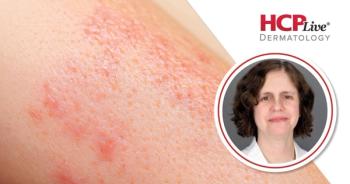
During this second segment of her on-site HCPLive interview at the
Additionally, Trotter touched on some of the biggest insights from her second conference session, titled ‘Skin at Different Stages Track: Hormones and the Skin: Clinical Implications Across the Lifespan,’ which focused on hormones and the skin across the lifespan.2 This topic, she noted, is an increasingly relevant one given growing clinical and public attention to menopause, perimenopause, and andropause.
The following Q&A features responses to inquiries regarding misinformation and the aforementioned session on hormone impacts, outlining how hormonal fluctuations from adolescence through pregnancy and beyond manifest in the skin in ways that are frequently underestimated:
HCPLive: What impact can dermatology misinformation have on patient outcomes, treatment adherence, and expectations before patients walk into the office?
Trotter: That's a great question. You know, social media has really influenced, I think, for a lot of patients, what's going to happen when we treat them. The biggest thing, from the expectation standpoint, is just the timeframe. People think everything gets better overnight, and most treatment regimens, whether it's for something as simple as acne or maybe even psoriasis, it takes time to see a difference.
You also need to have that consistency in keeping it simple, especially with skin care regimens. I think expectations for the timeframe are a big thing, and then also expectations for outcomes. There is this chase for perfection. I always like to tell people that the chase for perfection can actually halt progress. So, we also need to be realistic about what we expect to happen, and that there are a lot of chronic conditions too; they're going to have these ups and downs, but our goal is always to give you the best treatment and control possible.
HCPLive: What's one piece of advice you would kind of leave dermatology PAs and NPs with to more effectively address misinformation as they're walking away from your session?
Trotter: I always tell you, even if you're not on social media, because I have to admit I'm a neophyte to the whole business of social media. But I was pulled into it more as a tool for work. What I always tell people, before you walk away, just admit to yourself that it's a reality. Don't ignore it and hide your head under the sand, because people are out there watching it, and they're apt to believe it more so maybe even than yourself.
Work on developing that trust and bond with your patients, maybe on your own social media. If that's not your thing, then provide a list of reputable folks, dermatologists out there, dermatology providers, APPs, and derms that you trust are giving accurate information, so you can direct your patients. You know that they're going to go and use it, so why not give them the best tools possible?
HCPLive: Switching gears, why did you feel the topics highlighted in your ‘Hormones and the Skin: Clinical Implications Across the Lifespan’ talk were important for clinicians in dermatology?
Trotter: Yeah, I think this is a hot topic right now. First of all, there's a lot of attention, in particular, for women being drawn to menopause, perimenopause, all the changes that occur with it, including skin. So, it's on everyone's radar, and even for men, you know, there's some talk about andropause as well as the changes that men go through, too. That link to the skin, I think, is often underestimated, so I thought this is a really good time to really highlight skin, the endocrine system, and how it's connected.
HCPLive: What are some of the most important ways that hormones impact skin health throughout a patient's life? Like you said, from adolescence to menopause and beyond.
Trotter: Yeah, it's pretty impressive. I always tell everyone this skin is an endocrine organ, and a lot of people have to stop and think about it and go, gosh, you know what, you're right, so all types of hormones in the body, whether it can be as simple as the thyroid, can impact our skin. That can impact dryness of the skin, or sweating, or even hair as well. Then, as we get more involved, especially for women, fluctuations in hormones can impact things like acne and hair loss, too.
Then, as we move forward into life with pregnancy, what a different change for hormones there, where certain conditions are more common during pregnancy. Then also, you know, things that move on further in life with menopause, that we've seen the changes that occur there, too. It's just throughout our lifespan, you're going to see all kinds of changes in hormones and how they vary more…Men tend to have more of a gradual decline in some of these changes, but that intimate relationship is definitely there with the skin.
Trotter reported no financial disclosures of note.
References