Approved US PFIC drugs treat pruritus. The researcher behind a therapy targeting BSEP on diagnosis, data, and what comes next.
A hepatologist on the lag between drinking and liver disease, metabolic risk, prevention gaps, and when the burden may peak.
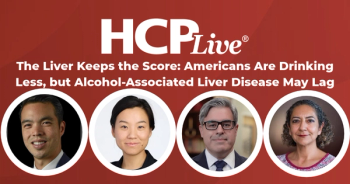
Heavy drinking among US adults aged 50 to 64 rose by more than 36% between 2018 and 2024, even as heavy drinking nationwide declined by more than 8% from 2022 to 2024.¹˒² The findings come from an analysis of 114,352 National Health Interview Survey respondents, published in Annals of Internal Medicine.¹
"The decline in alcohol use is a positive development, but we cannot assume alcohol-related harms will decline automatically," Brian P. Lee, MD, MAS,
Any alcohol use in adults aged 50 to 64 also rose by nearly 4% over the study period, while Gen Z adults and millennials drove the national decline.² Risk of liver disease, certain cancers, and cardiovascular disease increases with age, and older adults are more likely to develop these conditions at the same level of consumption as younger adults, according to Lee.²
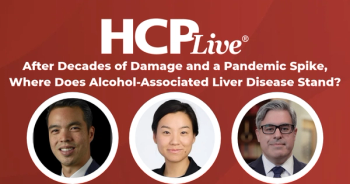
The analysis builds on a November 2024 study by Lee, which found alcohol use rose during the COVID-19 pandemic and continued to climb for the following 2 years.² Alcohol accounts for approximately half of all liver-related deaths, and alcohol-associated cirrhosis is now the leading cause of liver transplant, according to Lee.²
Below, Lee shares his perspective on the lag between drinking and liver disease, the role of metabolic risk, where current prevention falls short, and whether the burden of alcohol-associated liver disease will peak within the next 5 years.
Brian P. Lee, MD, MAS: I'd expect the burden to continue rising for several years. The decline in drinking is concentrated in the age groups least likely to present with liver disease in the next 5 years, and the increase is concentrated in the group most likely to. So the patient in front of you is more likely to be a woman or someone in their 50s than a decade ago, more likely to have metabolic comorbidity, and more likely to present with cirrhosis rather than steatosis as the first diagnosis.
Brian P. Lee, MD, MAS: Yes, and I think that's the most likely scenario. The finding in that work was that the per-drink harm to the liver has been rising, and the best explanation is that heavy drinkers now carry obesity, diabetes, and hypertension at rates they didn't 20 years ago. Alcohol and metabolic dysfunction aren't additive in the liver; they're multiplicative. So even if population drinking falls, the fraction of drinkers with a second hit keeps growing, and that fraction is where the liver disease comes from. It's also why the MetALD category exists now. For clinicians, the implication is that a patient's drinking history has to be read alongside their waist circumference and hemoglobin A1c, not on its own.
Brian P. Lee, MD, MAS: Most prevention messaging is built for young people, and the data suggest young people are already responding. The group that needs it is 50 to 64, and they're largely invisible to it. Tailored prevention for this group looks like alcohol screening built into the visits they're already having, which are for blood pressure, diabetes, and cancer screening, with a fibrosis assessment attached when drinking is at or near threshold. For women, it means using the sex-specific thresholds explicitly, since a patient told "14 or fewer drinks a week" is being given the wrong number. And for everyone in these groups, it means treating a heavy drinking history the way we treat a family history of colon cancer, as an indication for evaluation rather than counseling alone.
Brian P. Lee, MD, MAS: I'd expect it to keep climbing. Three things point that way. The lag between drinking and cirrhosis means the pandemic-era increase hasn't finished working through the population. The group still drinking more is the group in the window for disease. And metabolic risk is rising in the same patients, which raises the harm per drink even where drinking is flat. I'd be more cautious about the components. Acute alcohol-associated hepatitis in young adults is hopefully near its peak if their drinking stays down. Cirrhosis and liver cancer in adults over 50 I'd expect to rise through the end of the decade. Whether the overall burden peaks in 5 years or 10 depends mostly on whether the 50 to 64 trend reverses, and there is no indication of that yet in the data.
Editor's Note: This transcript has been edited for grammar and clarity using artificial intelligence tools. Lee reports consulting for Gilead Sciences, Novo Nordisk, GlaxoSmithKline, Altimmune, Bausch Health, and others.