

Physical activity concentrated within a 1- to 2-day span was associated with a similarly lower risk of cardiovascular outcomes to more evenly distributed activity.
Connor Iapoce is the assistant managing editor for HCPLive, after joining the MJH Life Sciences team in April 2021. He graduated from The College of New Jersey with a degree in Journalism and Professional Writing. He enjoys listening to records, going to the movies, and playing with his cat, Squish. You can reach him at [email protected].
Physical activity concentrated within a 1- to 2-day span was associated with a similarly lower risk of cardiovascular outcomes to more evenly distributed activity.

The AI chatbot, ChatGPT-4, responded correctly to 84% of multiple-choice practice questions on the OphthoQuestions trial, compared to 58% in February 2023.

The American Heart Association has released a new scientific statement on the current science on the health effects of e-cigarette use and calls for more studies regarding their long-term impact.

Real-world evidence suggests the rapid reduction of HbA1c is not associated with early worsening in subjects with T2D with mild or moderate nonproliferative DR.

Women with type 1 diabetes experience a three times greater risk of sexual dysfunction than women without diabetes.

Fear of hypoglycemia is associated with negative outcomes in people with T1D that may influence psychosocial well-being and diabetes management.

Use of atropine, 0.01%, eye drops did not slow myopia progression or axial elongation better than placebo in children aged 5 - 12 years.

Crisis Point returns with an episode on cardiometabolic health disparities, as 3 experts unravel the scope of the crisis, from its historical basis to ongoing social determinants of health in the modern age.

Administration of SGLT2 inhibitors may prove unfavorable for skeletal muscle mass in type 1 diabetes, according to a posthoc analysis of the RISING-STAR study.

A systematic review and meta-analysis revealed that combination therapy was associated with superior anatomical outcomes in all but 1 included study.

Analyses show BMI at T1D diagnosis and the rate of weight gain at 3 months post-diagnosis in female patients were associated with disordered eating behaviors.

A systematic review and meta-analysis of 10 studies observed that visual impairment significantly increased the risk of suicidal ideation, suicide attempt, and suicide death.

Widespread use of continuous glucose monitoring was not found to attenuate the association between impaired awareness of hypoglycemia and diabetes-related distress.
The latest episode of New Insight with Veeral Sheth, MD features an insightful conversation with David Eichenbaum, MD on his goals in mentoring the next generation of retina specialists, sharing anecdotes about his own journey in ophthalmology.

An analysis from ADA 2023 suggests meeting or exceeding 7,000 - 10,000 steps per day is associated with marginal improvements in time in range in adults with T1D.
Our endocrinology month in review for June 2023, highlights FDA decisions in type 1 and type 2 diabetes, studies from ENDO 2023, and new data presented at the 83rd Scientific Sessions of the American Diabetes Association.

Each month, our editorial staff compiles a recap of the top news in ophthalmology from the past month. Our June 2023 month-in-review features updates to the pipeline, diabetic eye disease news from ADA 2023, and promising data on the use of artificial intelligence.

An analysis from ADA 2023 suggests adults with T1D and higher social determinants of health risks are less likely to perform behaviors to maintain health.

The AHEAD program was associated with promising reductions in mean diabetes distress scores among emerging adults with type 1 diabetes.

A combination of in-office and telehealth visits increased visit frequency and maintained glycemic control in older adults with T1D during the COVID-19 pandemic.

However, the presence of diabetic retinopathy was observed to have no significant impact on physical health and quality of life compared to subjects without retinopathy.
A recap of the top news from the 83rd Scientific Sessions of the American Diabetes Association, including data related to retatrutide, tirzepatide, oral semaglutide, and more!

After adjusting for potential confounding factors, patients with microvascular diseases, particularly diabetic retinopathy, and diabetic kidney disease, were found to have a greater possibility of left ventricular hypertrophy.
Our June 2023 cardiology month in review includes 3 FDA approvals, a primary prevention subgroup analysis of CLEAR Outcomes, and a meta-analysis of 13 major trials examining SGLT2 inhibitor use.
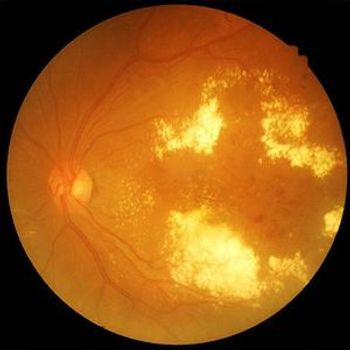
Diabetic retinopathy and microalbuminuria were associated with a significantly higher risk of hemodialysis induction in individuals with T2D.

An analysis of 3 academic health centers suggests youth with diabetic retinopathy had a longer duration of diabetes and higher hemoglobin A1c at the time of the diabetic eye exam.

At ADA 2023, we asked interview guests for their opinions on the most important news to come from this year's scientific sessions, including Juan Frias, MD, Bob Gabbay, MD, PhD, Yehuda Handelsman, MD, Viral Shah, MD, and more.

A new analysis presented at ADA 2023 recommended effective diabetic retinopathy screening for patients with T2D and hypertension.
A direct comparison of 3 independent AI systems showed differing prevalences of diabetic retinopathy, suggesting inconsistencies when applying these tools to those without preexisting diabetes.

The analysis, from ADA 2023, additionally indicated SGLT2 inhibition showed no effect on the risk of requiring intravitreal injection treatment for DME.