

A continued discussion into misconceptions surrounding obesity treatments and how to better empower patients seeking out treatment.
Connor Iapoce is the assistant managing editor for HCPLive, after joining the MJH Life Sciences team in April 2021. He graduated from The College of New Jersey with a degree in Journalism and Professional Writing. He enjoys listening to records, going to the movies, and playing with his cat, Squish. You can reach him at [email protected].
A continued discussion into misconceptions surrounding obesity treatments and how to better empower patients seeking out treatment.
A discussion into available pharmacotherapy for obesity and the uptake in practice of newer agents.

These findings suggest the importance of COVID-19 vaccination for patients with OHT.

There was no statistically significant difference in mean systolic blood pressure for the self-monitoring groups vs the usual care group.
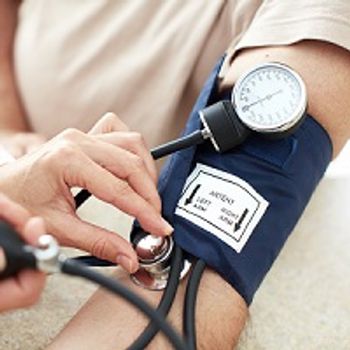
Treating 100 older patients (≥60 years) with hypertension for approximately 3 years would prevent 1 major adverse cardiovascular event.

Investigators observed no reduction in readmission or mortality in a remote monitoring program with incentives for patients previously hospitalized for HF.

The rate of long-term survival after 10 years in patients surviving the initial hospital stay after OHCA was between 62% and 64%.

Data show 7 risk factors, many potentially modifiable, accounted for 85% of the risk of first AMI in young women and men.

Early-stage prevention of modifiable risk factors may contribute to the prevention of neurodegenerative changes and diabetic retinopathy.

Data show half of all eyes with CRVO were still being treated at 36-months.

Treatment delay and steroid usage were both associated with worse improvements in long term BVA and CST in patients with RVO-related macular edema.

These data further elucidate the relationship between mental health and diabetic retinopathy.

However, data show RVO patients with clinical findings associated with glaucoma risk are often not coded with suspected glaucoma.

The study agent was otherwise not associated with an increased number of intravitreal injections over a 12-month period.

Patients with DR had an average interval between anti-VEGF injections of 70 days, compared to 54 days for RVO patients and 55 days for wetAMD patients.

The estimated median duration of ≥1 line gained was greater than 9 hours on both study day 1 and day 30 in patients with presbyopia treated with the study agent.

Data suggest baseline vision was a key predictor of poor response at Week 24 in patients with macular edema secondary to central retinal vein occlusion.

New research found veterans with diabetes who took L-DOPA and dopamine agonists showed delayed onset of vascular pathology associated with DR.

Data show Black individuals had a 1.41 times higher odds of having type 2 diabetic retinopathy when compared to white individuals.

The most common diagnoses were found to be non-malignant, including upper gastrointestinal problems in men and urinary tract infections in women.

Future epidemiologic studies may be necessary to investigate further using perinatal data and controlling for other variables.
Participants with obesity or overweight lost up to 22.5% of their body weight with tirzepatide treatment.

Nancy Holekamp, MD discusses the substantial emotional burden and impact on independence of GA reported in the Geographic Atrophy Insights Survey.

The absolute reduction in LFC at week 52 was significantly greater for the pooled tirzepatide 10 mg and 15 mg groups versus the insulin degludec group.

Participants assigned to once-weekly tirzepatide spent significantly more time in tight target range at 52 weeks compared with those assigned to insulin degludec.

71.6% of patients showed a clinically meaningful improvement in total corneal fluorescein staining at 4 weeks after using the ophthalmic solution.

The decision to initiate low-dose aspirin use for CVD prevention in adults aged 40 to 59 years with a 10% or greater 10-year CVD risk should be individualized.
Each weight-loss regimen had similar success in obesity management, regardless of patients reducing their calorie consumption through time-restricted eating or through calorie restriction alone.

Dexamethasone as a first-line treatment for DME may increase economic costs in settings where bevacizumab is used off-label, but lower annual costs compared with aflibercept.

Data show 15-mg edoxaban dose was superior to placebo in preventing stroke or systemic embolism in all 3 age strata studied, with higher incidence of major bleeding.