

Analysis results showed the differential impact of certain variables on the face inversion effect in individuals with autism spectrum disorder.
Analysis results showed the differential impact of certain variables on the face inversion effect in individuals with autism spectrum disorder.

England saw a significant increase in severe psychological distress among adults over the past 3 years, highlighting the urgent need to address the growing mental health crisis and allocate sufficient resources to mental health services.

Investigators systematically review data to further understand the relationship between sleep and PTSD as it impacts treatment outcomes.

The analysis of 500+ patients with ADHD shows no statistically significant evidence linking stimulant treatment to later substance use, indicating that stimulant medication did not increase or decrease the risk of substance use in adolescence or adulthood.

Disrupted sleep is prevalent among children and adolescents with Down syndrome and prompt diagnosis and management of the condition are crucial to ensure optimal health and well-being in this population.

The prospective cohort study evaluates the role of both subjective and objective experiences.

Efanesoctocog alfa defined a new therapy class by the US Food and Drug Administration (FDA) as the first and best-in-class high-sustained FVIII therapy.
Efanesoctocog alfa demonstrates promising results in new phase 3 data emphasizing the drug's potential to address unmet needs within the hemophilia community.
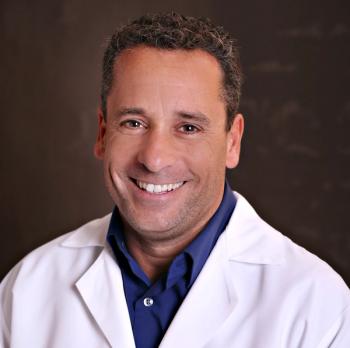
Informed discussions about the pros and cons of different treatments help guide the decision-making process. When it comes to treatment adherence and overall quality of life, patient lifestyle plays a significant role.

Dr. Juliana Biondo discusses what the future of treatment for hemophilia A looks like based on ongoing trials.

The American Indian and Alaska Native population show the largest increase in median state ratios, rising from 14 - 49.2, while the Black population consistently had the highest median state ratios, increasing from 26.7 - 55.4.
Dr. Juliana Biondo discusses the exciting FDA approval of Roctavian and how it compares with other treatment options like Hemlibra.
While the FDA decision of Roctavian offers patients with hemophilia A more options, the gene therapy eligibility criteria still pose barriers.

Despite concerns, Dr. Margaret Ragni discusses the significance of the Roctavian's effectiveness for reducing hemophilia A bleeds and improving patient quality of life.

The data provide promising results, yielding a smoking abstinence rate of 26.4% in the intervention group at 18 months.

The approval is supported by positive results from the largest and longest phase 3 study for gene therapy in hemophilia, showing a 52% reduction in annualized bleeding rate compared with baseline rates on routine prophylaxis.

Increasing e-cigarette sales and flavor shifts underscore the need for stricter regulations, according to a CDC Foundation, Truth Initiative.

A new study highlights the benefits of using the hypertonic saline test to determine the appropriate dose of inhaled corticosteroids for managing asthma in children.
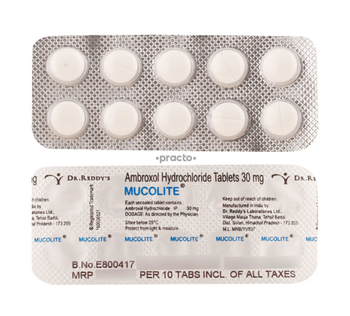
Significant improvements seen in hematologic parameters, visceral volumes, and plasma biomarkers in patients with Gaucher disease, suggesting its potential as an alternative therapy, particularly for those who cannot access enzyme replacement therapy.

Significant cases of missed diagnoses of iron-deficiency emphasize the need for improved screening strategies and proactive measures to address these health risks.

Communities already facing social vulnerabilities are more likely to bear the burden of increased smoke exposure.
Janssen reported significant benefit, and a tolerable profile, for the investigative drug that may become the first indicated to treat HDFN.

COVID-19 vaccination in patients with cystic fibrosis generates antibody responses similar to those in the general population, according to a recent study

Reports from the intervention group show decreased alcohol-related problems, mediated by the change in insomnia severity following treatment.

Findings show patients hospitalized for COVID-19 have an increased 1-year risk of venous thromboembolic disease compared with those hospitalized for influenza (HR, 1.77; 95% CI, 1.36-2.31).

The analysis of 2021 data show lung cancer screening rates increased 8.4% since 2019 to 21.2%.

According to investigators, this is among the largest studies describing the risk of bacteremia in young patients with sickle cell disease.

Among other associations, those in educational attainment, employment status, mental health, and pain episode frequency and severity highlight the need for comprehensive care that considers the psychological well-being of individuals with SCD.