

Molecular testing for HCV and other infectious diseases can be done successfully in a point-of-care setting, but a new study says participation rates might be driven down in HIV is mentioned.
Molecular testing for HCV and other infectious diseases can be done successfully in a point-of-care setting, but a new study says participation rates might be driven down in HIV is mentioned.

New research finds posttraumatic growth is an important positive factor in life satisfaction for patients with HIV, even after controlling for the negative consequences of stigma and disclosure regret.

African-American patients with moderate or severe sleep apnea have twice, or 3.5 times, the risk of resistant hypertension, respectively.

A new study confirms that HCV-RNA can be found in the nasal and rectal fluids of patients with high viral loads of HCV, raising the possibility of HCV transmission via these fluids.

A new study finds high-dose intravitreal triamcinolone acetonide is a safe alternative to anti-vascular endothelial growth factor, a finding that is welcome news for patients in low-income countries.

Patients with diabetic macular edema who do not show sufficient progress after anti-VEGF-A treatment may soon have a new option.

Ophthotech says it’s sidelining its Zimura/Lucentis program despite positive phase 2a results.

New research suggests HCV coinfection is dangerous for pregnant women with HIV.

A small study shows it’s safe to give immunotherapy to patients with HIV who also have cancer.

HIV-2 is not less life-threatening than HIV-1, according to new research. The only difference is in the timing.

New research warns that the mechanisms behind HIV latency vary significantly in the blood and the gut.

Men who don’t get much sleep also tend to make poor sexual decisions when it comes to HIV prevention, a new study suggests.

A new meta-analysis finds people who were recently incarcerated face significantly higher risks of contracting hepatitis C and HIV infection.

Researchers have long associated HIV exposure with a heightened risk of congenital cytomegalovirus in infants. However, new research finds the risk is highest if HIV is contracted during the pregnancy.

A new study found that almost all humans have a less active form of interferon lambda 4, a fact that leaves them vulnerable to HCV.
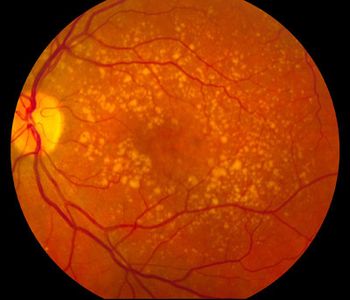
A new review of literature about 2 anti-VEGF therapies for diabetic macular edema suggest the drugs hold promise, but not without some caveats.

New data suggest hepatitis C infection, but not hepatitis B infection, increases the prevalence of diabetes in patients who undergo kidney transplants.

A new study suggests patients with disorganized retinal inner layers see lesser levels of visual acuity improvement after therapy.

People who are addicted to drugs face a higher risk of contracting HCV. Yet, a new study suggests the majority teens who are addicted to opioids don’t get screened for the virus.

A pair of new studies suggests combining 2 new broadly neutralizing antibodies might be an effective way to achieve long-term HIV viral suppression without the use of antiretroviral therapy.

New research suggests that the choice of a direct-acting antiviral regimen does not appear to affect liver cancer risk in patients with HCV.

New research finds a mobile-optimized HIV-prevention program works, but its impact dissipates with time.

It’s long been established that obesity can lead to asthma, but new research suggests asthma can also lead to obesity.

Elbasvir/Grazoprevir has performed well in clinical trials, even among patients with HIV and other coinfections.

New data from the CDC suggests young gay and bisexual men are receiving HIV diagnoses at higher rates than their older peers, but it may be due in part to increased testing.

A modeling analysis suggests state officials in Indiana could have prevented upwards of 95% of the HIV cases in a 2014 outbreak.

New research finds two-thirds of gay and bisexual men who know about pre-exposure prophylaxis have a positive view of it. The challenge is that only 4% are using it.

A small number of patients with HIV are able to maintain viral control even after they stop taking antiretroviral therapy.

Symptoms of cardiovascular disease, including intima-media thickness and coronary artery calcium, were more common in patients with HIV and cytomegalovirus.

Evidence from a number of countries suggests that America’s expansion of opioid addiction treatment programs will pay dividends in curbing rates of HIV transmission among people who inject drugs.