

Patients with asthma and eosinophilia have thicker airway nerves, according to new research.
Patients with asthma and eosinophilia have thicker airway nerves, according to new research.

A new meta-analysis aimed to quantify the effect, if any, of physician burnout on patient wellbeing. They found the links are strong and consequential.

A daily dose of aspirin could reduce HIV transmission rates by reducing inflammation and thus the number of HIV target cells in the female genital tract.

New research says it’s medically possible to use HCV-positive patients as liver donors. Now, a new study finds it’s also cost-effective.

A new study of 4,000 Canadian women with asthma found patients who had higher body mass indices, smoked frequently, and had lower education faced higher risks of developing chronic obstructive pulmonary disease.

Direct-acting antivirals have been a life-changing breakthrough for patients with chronic hepatitis C virus infection. However, the high cost of the drugs has led many patients down a path of appeals and battles with insurers.

New insights might help researchers improve the efficacy of LTA4H inhibitors.

Patients whose direct-acting antiviral treatment failed are finding hope in a new combination of 3 existing hepatitis C virus drugs.

Phase 3 data for ibalizumab showed that nearly half of patients had a reduction in viral load of more than 80% after 25 weeks of therapy.
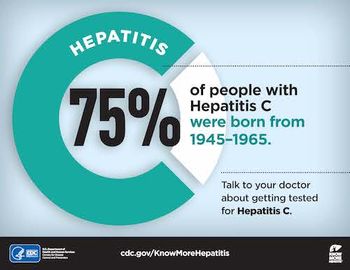
The results of a new study indicate that most physicians are not following the CDC’s recommendation to screen all Baby Boomers for hepatitis C.

New research finds patients hospitalized for alcohol dependence have lower rates of survival if they are also infected with hepatitis C.

New research outlines the role of neutrophil cytoplasts in severe asthma which could lead to new therapeutic pathways to treat the disease.

A small number of cases of neural tube defects in babies born to mothers who were taking dolutegravir at the time of conception are prompting expanded study of the use of the drug in pregnant women.

Merck’s new non-nucleoside reverse transcriptase inhibitor (NNRTI), doravirine, achieved viral suppression in 73.1% of patients, according to new data released by the company.

Patients who received electronic asthma control plans had fewer asthma exacerbations, but more research is needed to find out how much of an impact such interventions have over time.

A new analysis suggests the benefits of universal HCV screening would outweigh the significant costs.

Three-quarters of patients with aspirin-exacerbated respiratory disease often have allergies to alcohol. A new study finds a common therapy for the one can also help the other.

A vaccine for hepatitis C would likely not eliminate the risk of transmission, but a new study suggests it would dramatically reduce transmission rates among drug users from 90% to 25% or less.

A new company says urine tests can help physicians determine whether a patient at risk of HIV infection is adhering to their pre-exposure prophylaxis regimen.
Among men who have sex with men, the increased odds of a new HIV infection per HIV-positive partner was reduced by 91% for each partner with whom condoms were always used.

The FDA’s approval of Brineura in April 2017 was a landmark moment for patients with the CLN2 form of the disease, but those with the other 13 forms of Batten are still waiting.

An online prevention program that uses a soap opera format was shown to be effective at lowering rates of STIs.

A modelling study showed that injectable PrEP could be more effective at reducing HIV transmission than oral PrEP.

New research suggests cirrhosis, not HCV status, is the reason diabetes rates are higher among HCV-infected patients.

New research finds patients with HIV and chronic pain are aware that opioids are addictive, yet most don’t receive common addiction-prevention monitoring.

People living with mental illness face great adversity. One of their greatest challenges is the seemingly intractable problem of stigma.

New research from the University of Virginia shows that a smartphone app can make a major impact on the health of people living with HIV.

HIV-positive patients who take antiretroviral therapy have a lower risk of cancer than HIV-positive patients who are not taking antiretroviral drugs.

A new Australian study found overall condom use decreased when PrEP was introduced into the region.

A new analysis shows fully one-third of patients prescribed direct-acting antivirals are denied coverage by their insurers. Denial rates are even higher for patients with private insurance.