

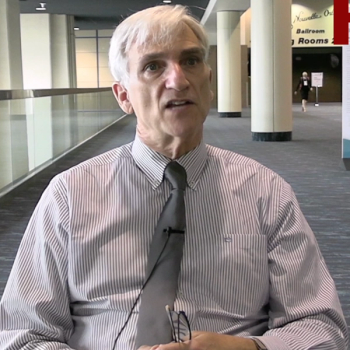
Mark Blumberg, MD, discusses his laboratory's particular interest in early REM sleep movement, and its potential impact on neurological disorders.
Mark Blumberg, MD, discusses his laboratory's particular interest in early REM sleep movement, and its potential impact on neurological disorders.

Investigators contribute more detailed understanding of the association between sleeping disorder and cardiovascular event risks.
Late-breaking data from SLEEP 2022 show there may be biological plausibility for cardiovascular risks in excessively sleepy individuals.

Even after controlling for differences in age and BMI, investigators observe a greater burden of sleep health on those who had severe COVID-19 versus the general population.

Investigators observe an increased risk of dream enactment among specific subgroups of veterans with trauma.

Data from SLEEP 2022 suggests children with OSA may have faced worse psychosocial burden during the pandemic.

A new study from SLEEP 2022 showed asthmatic children have a 10 times greater risk of the condition, and are twice as likely to have a history of snoring.

New SUNRISE 2 data show a subjective, dose-dependent, and disease severity-dependent benefit with the insomnia therapy.

The FDA-approved sleep agent was associated with ≥5% weight loss in more than one-quarter of patients in a phase 3 trial.

Prof. Hertzel Gerstein discusses new ELIXA biomarker findings from ADA 2022.

The diabetologist and professor discusses new findings from the ReTUNE trial, which disparage the utility of BMI in defining diabetes risk and remission opportunity.

New post hoc data from the STEP 1 and 4 trials show an approximate 60% risk reduction of type 2 diabetes over 10 years versus placebo.
A Montefiore residency director explains the impact of engaging with communities to improve mental health care capability.

Montefiore's Carol A. Bernstein, MD, discusses the role of psychiatry specialists in discerning their colleagues' need for mental health care or resolutions to burnout.

Gina Poe, PhD, discusses the potential role of beta blockers in treating psychiatric illness-related sleep, as well as the specific benefit of melatonin.
NIDA research director Carlos Blanco-Jerez, MD, PhD, reviews how stigma, language barriers and digital health create disparate outcomes in mentally-ill Hispanic patients.

Lois Choi-Kain, MD, MEd, discusses her field's interest in improving the modern diagnosis and evidenced-based treatment of personality disorders.

The UCLA-based investigator discusses the unique impact of PTSD on patients' sleep stages, and how they can limit their insomnia.
The director of NIDA discusses the interplay of substance use disorder and pain in patients, as well as means to assure patients are receiving evidenced-based treatment.
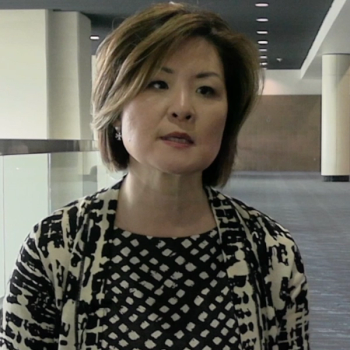
Lois Choi-Kain, MD, MEd, discusses the unique presentations of disease and burdens of care that impact younger patients with BPD.

The modern psychiatrist may play many roles, including as a mentor and a facilitator to social-based support.
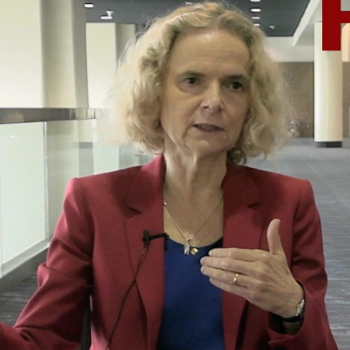
The NIDA director reviews neuromodulation's potential role in treating patients with multiple use disorders, and the importance of patient feedback in shaping clinical research.

Rachel Talley, MD, discusses the industry-level changes needed to trainee recruitment and retention to create a psychiatry field more representative of its patient population.
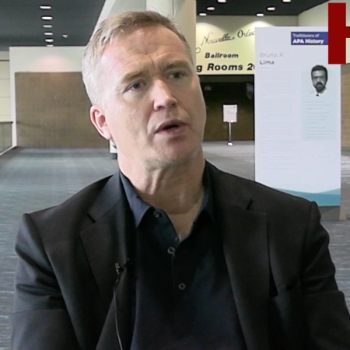
With administration strategies for the psychiatric anesthetic drug well established, clinicians have interest in accumulating long-term data and other potential indications.
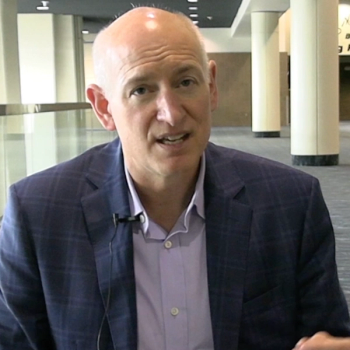
Brent Forester, MD, MSc, discusses the confluence of biomarker and disease-targeting therapy in Alzheimer's, and the need to appropriately introduce these tools.
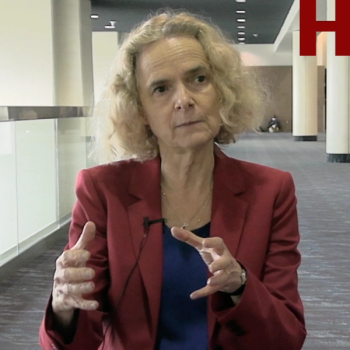
The director of NIDA discusses the unprecedented impact of the pandemic on overdose deaths—and how substance use disorder care may still reach greater capability when all is said and done.
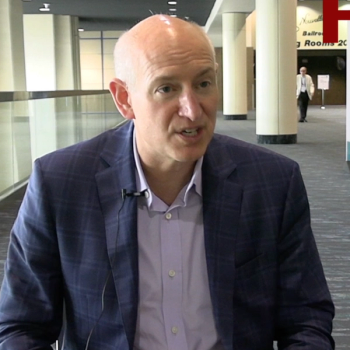
Dementia and Alzheimer's disease cases are anticipated to boom in coming decades. One expert stressed the need for improved screening and facilitation of care at the earliest stages and signs.
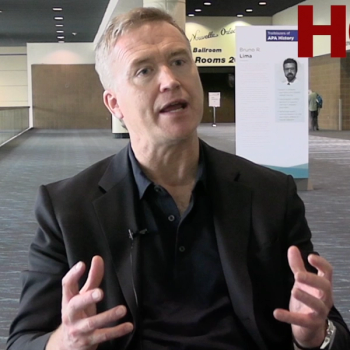
The lead author of treatment recommendations weighs in on their current use and future research.
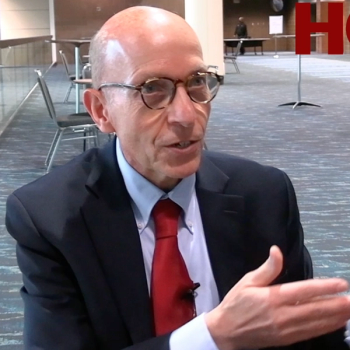
Amid significant psychotherapy innovation and consideration to broader aspects of mental illness definition, Jonathan Alpert, MD, PhD, emphasizes the need for improved clinical trial standards.
New phase 3 data presented at APA 2022 support the agent as an adjunctive in older patients without benefit from monotherapy antidepressant medication.