

Data from Australia show a T-cell antigen-inducing vaccine was unable to provide greater prevention of flu incidence than a placebo.
Data from Australia show a T-cell antigen-inducing vaccine was unable to provide greater prevention of flu incidence than a placebo.

Case-control analyses suggest older patients may cognitively age by about 8 years within 6 months of being discharged for severe COVID-19.

Cross-sectional analysis of national survey data suggest students with multiple marginalized identities are more prone to treatment that could lead to burnout.

Experts observed a significant increase in monthly overdose deaths during Spring 2020, before a gradual decrease to 2019 rates.

Overall tobacco use declined among adults since 2019—but many from varying sociodemographic backgrounds are still reporting high use.

After more promising long-term data, Apellis announced plans to seek regulatory approval. An investigator explains what value it could bring to patients.

Phase 3 data show the C3 inhibitors' sustained benefit for the common form of vision loss. A primary author explains the significance of the new findings.

New data show the highest quintile of census-reported parental income is far more represented among future physicians than lower income levels, regardless of race.

ChristianaCare’s Gene Editing Institute experts join the podcast to discuss the latest developments in gene editing.

USPSTF experts noted a need for research into the benefits and harms of screening adults and adolescents without signs or symptoms.

Findings suggest mortality risk from the respiratory virus is twice greater among adults with CHF.

As influenza A(H3N2) remains the most prevalent subtype in the US, investigators estimated the available flu shot is not significantly preventing positive cases.

Research from Wake Forest shows patients are more comfortable sharing concerning matters when screened on a tablet app compared with speaking to a nurse.
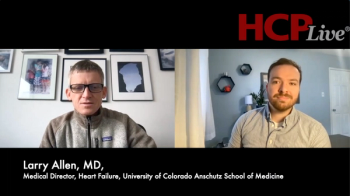
The University of Colorado expert joins for a 5-part interview on making sense of the boom of new agents and care strategies.

The Yale Associate Chief of Cardiovascular Medicine discusses improved use of available drug classes, as well as the potential approval for omecamtiv mecarbil.

From a couple of novel heart failure treatments to a promising dual receptor agonist, here's a rundown of expected pipeline news this year in heart disease.
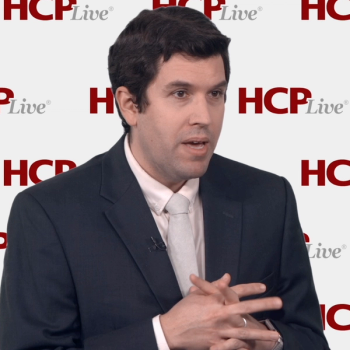
The Johns Hopkins expert details recent advances in remote cardiovascular care and research, and explains how the field will continue to evolve.
The esteemed pediatric pulmonologist of Bridge Atlanta Medical Center drops by Lungcast to discuss the disparities that continue to exist in childhood asthma.

With the field already booming with capability, a Penn Medicine expert discusses her team's research into finding the right tools for the right patients and clinicians.

An executive with Seqirus discusses the company's work to address age-related flu severity risks.

A pilot trial from Perelman showed patients were far more likely to provide blood pressure levels via text than a standard online patient portal.

A look into the research and prospects Seqirus looks to fulfill with the technology platofrm.

A new study suggests even the phrasing of telemedicine notifications may make a difference in vaccine uptake.

Retrospective cohort data show older veteran patients have generally a 20% reduced risk of 30-day mortality when treated for emergent care at a VA hospital.

An Israel cohort analysis suggests a "hybrid" of natural and vaccine-induced immunity is associated with the rare likelihood of SARS-CoV-2 reinfection.
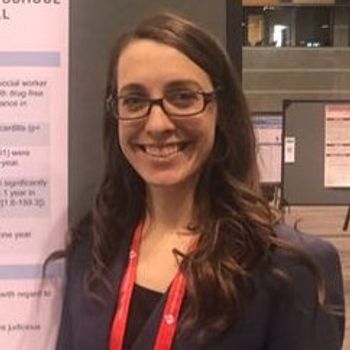
A pilot trial suggests telemedicine methods need to be tailored to reach adversely affected populations including Black patients on Medicare or Medicaid.

A Finnish national study suggests hard-to-reach adults may seek a flu shot if provided direct information on its benefits.

Post hoc data from GATHER1 show the complement inhibitor's 18-month benefit in regions including the central fovea.
Investigator Andrew T. Chan, MD, MPH, discusses his team's recent findings showing a positive link between primary care providers per capita and community vaccination rates.

Experts explain the societal, systemic, and clinical challenges that come with managing skin disease in people of color.