

A pair of experts discussed the importance of differentiating early signs of either disease on a recent podcast.
A pair of experts discussed the importance of differentiating early signs of either disease on a recent podcast.

The expert explains what recent vaccine innovations may come to influenza products.

Amid rising cases of both respiratory viruses, here is a guide for symptoms, complications, disease onset and illness duration.

CDC data suggest children and young adults are increasingly affected, with the circulating subtype being one associated with a high risk of burden.

Cross-sectional data from the last decade of flu seasons show pregnant women are infrequently vaccinated and at greater risk of severe disease.
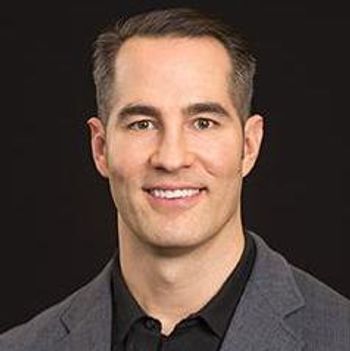
The University of Michigan School of Nursing DASH Center director discusses the impact and reach of adult prescription drug misuse.

A new survey analysis shows prescription opioid, stimulant, sedative and tranquilizer misuse is common by age 50, and is greatly associated with substance abuse disorder risk.

A pediatrician discusses the stakes at hand for children whose parents are considering available vaccines now.
Manesh Patel, MD, and his colleague Rymer delve into the most impactful and interesting trials presented at the Fall cardiovascular meetings.

An Allegheny Health expert gives perspective on how the proven regimen plays a role amid the Omicron outbreaks, and increased vaccination and testing.
Dr. Al Rizzo highlights the best insights and opinions from featured guests this last year.

A look into how Allegheny Health Network prioritizes the valuable therapy amid rising cases.

An outpatient care coordinator discusses the systemic and psychiatric symptoms of COVID-19 long haulers, as well as differences in outcomes based on vaccination.

A look into how Allegheny Health Network launched its multi-specialty referral system for post-hospitalized COVID-19 patients.
With the concept of a “twindemic” becoming more realistic than ever, experts are stressing that preventive practices, and vaccination, address both flu and COVID-19.

Findings from the SWAY trial highlight a pressing need for varying and more personalized treatment methods for patients.

A retrospective analysis of data from a Chicago School of Medicine care center provides insight into the apparent increase in risk of atrial fibrillation among patients with sickle cell disease.

New ASH 2021 data for the stem cell transplant therapy suggest it has a durable and safe benefit for adults with severe disease.

New cohort analysis suggest a heightened risk of atrial fibrillation may be worsening patients' life expectancies.

New data for the Rocket Pharmaceutical gene therapy candidate show durable benefit in patients 6 months out from transplant.

An international assessment shows many patients are wary of emergency rooms, and clinicians want more diverse therapies.

Defined roles and research-informed recommendations are lacking for clinicians navigating birth control with females with sickle cell.

An ongoing assessment of caregivers considering hydroxyurea initiation for children with sickle cell disease provides a look into how such families are handling telemedicine and the pandemic.
New ASH 2021 data shows how guidance is still lacking for clinicians responsible for addressing contraception with women with sickle cell disease.
Donald Alcendor, PhD, joins to review currently available data surrounding the newest COVID-19 variant of concern, and shares guidance for concerned clinicians and the general public.

Our annual recap series will feature stories from nearly every specialty of medicine—and the return of COVID-19 as a topic.

A case for more proactive lipid-lowering treatment initiation in a high-risk population.

Lipid testing rates are very low among those under 40 years old. Where do clinicians best target high-risk patients—and how?

The DCRM Task Force recommendations were described as first-of-its-kind guidance for patients with overlapping diabetic, cardiorenal and metabolic disease.

Adults 40 years and younger generally aren't tested for lipid level risk—a byproduct of national guidance and clinical trial needs.