

Data from the open-label extension portion of the phase 3 PaTHway trial detail the long-term effects of TransCon PTH use among people with chronic hypoparathyroidism.
Patrick Campbell is the editorial director of HCPLive. Patrick has spent years spearheading coverage surrounding cardiometabolic health and rheumatic disease for MJH Life Sciences. Before joining MJH Life Sciences in 2019, he spent time as a beat reporter and/or multimedia specialist with the Pocono Record, Star News Group, and NJ Advance Media. He is the executive producer for multiple HCPLive podcasts, including Diabetes Dialogue, Don't Miss a Beat, Kidney Compass, Medical Ethics Unpacked, The Medical Sisterhood, and Skin of Color Savvy.
Follow him on Twitter @RealPatCampbell or reach him via email at [email protected].
Data from the open-label extension portion of the phase 3 PaTHway trial detail the long-term effects of TransCon PTH use among people with chronic hypoparathyroidism.

A matched case-control study of nearly 100 women details the reduced effect of anti-obesity medications in those with a history of breast cancer and aromatase inhibitor use.

A phase 4 trial of men with hypogonadism in the US offers an overview of the potential risk of major cardiovascular events associated with use of testosterone replacement therapy.

An analysis of survey data from more than 50 health care workers in Massachusetts offers insight into the effects of the COVID-19 pandemic

On June 15, 2023, Bristol Myers Squibb announced the FDA approved an updated label for mavacamten (Camzyos) to reflect the agent's ability to reduce the need or eligibility for septal reduction therapy in patients with obstructive HCM based on VALOR-HCM.
An analysis of data from the CLEAR Outcomes trial presented at ENDO 2023 suggests use of the non-statin lipid-lowering agent provided cardiovascular risk reduction comparable to statin therapy for each 1.0 mmol/L reduction in LDL-C.

During a presentation at the Metabolic Insitute of America's 7th Heart in Diabetes meeting, Erin Michos, MD, broke down the importance of recognizing the bidirectional risk between diabetes and menopause.

New data from the phase 2 ROSE2 trial is providing insight into the safety and tolerability, as well as LDL-lowering effects, of obicetrapib as an adjunct to high-intensity statin therapy as a monotherapy and in combination with ezetimibe.

Stephen Greene, MD, discusses the results of a recent GWTG-HF registry analysis, which concluded just 1 in 5 hospitalized patients with HFrEF were discharged with an SGLT2 inhibitor prescription and less than 10% were receiving all 4 classes of guideline-directed medical therapy.
Steve Greene, MD, discusses the results of a TRANSFORM-HF analysis comparing the effects of furosemide and torsemide on quality of life outcomes in patients with heart failure.

Data from the COVID-OUT trial suggests use of metformin could reduce a person's risk of developing long COVID by more than 50% relative to placebo therapy, with results also providing insight into the apparent lack of benefit with ivermectin and fluvoxamine.

A decision-analytic model leveraging data from the UK and Spain suggests people who experienced STEMI during COVID-19 lockdown periods could have a reduced life expectancy relative to their counterparts who experienced similar events in prepandemic periods.

An analysis of Medicaid data from adults in Alabama suggests just more than 50% of patients fail to get ambulatory follow-up care within the recommended 14-day window following a first-time heart failure hospitalization.
The ongoing shortage of GLP-1 receptor agonists, namely semaglutide, has prompted the US Food and Drug Administration to issue a warning to patients and providers related to use of compounded semaglutide.
Each month, our editorial staff compiles a recap of the top news in endocrinology from the past month. Our May 2023 month in review features new FDA approvals, important phase 2 data, and in-depth clinician perspective.

Pooling data from half a dozen major population-based cohort studies, a Johns Hopkins-led team provides new insight into the risk of cognitive decline following myocardial infarction among US adults.

An analysis of data from the Metabolic and Bariatric Surgery Accreditation and Quality Improvement Program provides an overview of changing rates of access and utilization of metabolic and bariatric surgery among US youths.
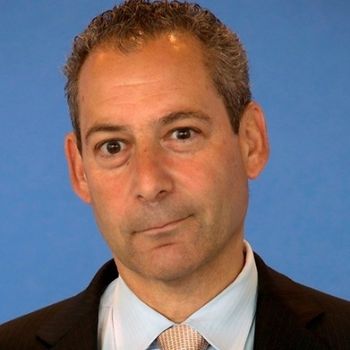
Scott Solomon, MD, of Brigham and Women's Hospital, discusses how baseline patient characteristics inform what cardiologists might learn from the FINEARTS-HF trial, which he presented at Heart Failure 2023.

Ahead of the sotagliflozin approval, Deepak Bhatt, MD, MPH, offers perspective into potential future research opportunities for the SGLT1/2 inhibitor and discusses the impact of a 3rd agent boasting SGLT2 inhibition receiving approval for heart failure.
The FDA approval of sotagliflozin (Inpefa) for the treatment of heart failure was announced by Lexicon Pharmaceuticals on May 26, 2023.

Ahead of the May 27, 2023 PDUFA date, the HCPLive Cardiology editorial team spoke to a group of cardiologists to capture their perspective of the potential role of sotagliflozin.

Data from the open-label extension period of the APOLLO-B trial provide new insight into the benefits of patisiran in patients with ATTR amyloidosis with cardiomyopathy.

An analysis of data from the ARIC study is offering new insight into the impact of age at diabetes onset on the risk of developing dementia later in life.

An analysis of data from the NODE-303 trial provides insight into the effects of etripamil nasal spray in people with atrial fibrillation with rapid ventricular rates.

Presented at the European Stroke Conference, results of the ELAN trial offer evidence in support of early initiation, as opposed to later initiation, strategies for anticoagulation following acute ischemic stroke in patients with atrial fibrillation.
An analysis of cost-effectiveness using data from SOLOIST-WHF provides insight into the varying cost-effectiveness of the agent as a treatment for worsening heart failure.

Muthiah Vaduganathan, MD, MPH, offers perspective on data from the PARAGLIDE-HF trial as well as a pooled analysis of data from the PARAGLIDE-HF and PARAGON-HF trials.

Presented at ESC HFA 2023, results of PARAGLIDE-HF detail the effects of sacubitril/valsartan on NT-proBNP and multiple clinical outcomes, relative to valsartan alone, in patients with HFmrEF or HFpEF.

An analysis of the COPDGene Study presented at ATS 2023 suggests presence of mucus plugs in medium- to large-sized airways were associated with an increased risk of mortality in adjusted models.
The June 22, 2023 PDUFA date for obeticholic acid 25 mg oral tablets for the treatment of precirrhotic liver fibrosis appears to be in jeopardy after a May 23, 2023 meeting of the FDA's Gastrointestinal Drugs Advisory Committee.