

Gastrointestinal disorders, atopic conditions, and other diseases may have similar or shared pathogenetic mechanisms with AA, based on recent research.
Ryan Livingston joined the MJH Life Sciences team in March of 2025, shortly after graduating from TCNJ with a bachelor’s degree in English. He enjoys creative writing, reading, and scuba diving. He can be reached at [email protected].
Gastrointestinal disorders, atopic conditions, and other diseases may have similar or shared pathogenetic mechanisms with AA, based on recent research.

Based on 8 major questions and consisting of 9 formal recommendations, the SCAI’s guidelines aim to advise clinicians on what treatments to use when.

According to recent research, more patients surviving heart diseases correlates directly to higher mortality rates for ischemic and chronic heart conditions.
Our recap of the first half of 2025 highlights 5 regulatory updates, 5 trial announcements, and 3 top perspectives in hematology.
Our recap of the first half of 2025 highlights 5 regulatory updates, 5 trial announcements, and 3 top perspectives in eyecare.

The results of the ZENITH trial have encouraged the expansion of sotatercept’s label to patients with prior background therapy.
A relatively quiet quarter for hematology, punctuated by both successes and failures in clinical trials and a handful of Orphan Drug and Fast Track designations.
Our Q2 2025 recap for ophthalmology highlights 5 regulatory updates, 5 important trial announcements, and top perspectives in eyecare.
The FDA distributed several designations and many trials successfully met their endpoints during an eventful June for hematology.
June was characterized by HCPLive’s coverage of the AOA 2025 Conference in Minneapolis and a host of cross-specialty disease indicators and drug uses.

A worldwide increase in both near-work and screen usage has led to a spike in myopia rates; this study associates this with near exophoria caused by close reading.

A recent post hoc analysis of 2 pivotal phase 3 trials has determined the efficacy of acoltremon .003% in reducing ocular surface damage in dry eye disease.

Based on recent data, artificial intelligence can improve patients’ awareness of their condition, as well as confidence in, and satisfaction with, their care.

Research has indicated a substantial increase in axial length, a contributing factor of myopia, in young adults who report regular mobile device usage.

Despite its availability as an over-the-counter medication, BTOS is frequently prescribed by clinicians for the treatment of ocular redness due to minor eye irritations.

This interim report of an ongoing study has indicated an overall positive impression of the INFUSE for Astigmatism contact lens among a 100-patient population.

A survey study has indicated a substantially positive perspective on UMFfA contact lenses, including reports on well-maintained vision, comfort, and ease of fitting.

Lifitegrast 5% led to improvements in OSDI, MMP-9, tear osmolarity, and a variety of other biomarkers and clinical signs of DED.

A recent cross-sectional analysis has estimated the size of the American population with both MASLD and T2DM eligible for treatment.

The Phase 3 HYPERION trial achieved its primary endpoint of lower time to clinical worsening, measured by a variety of related factors.

Parent company Novo Nordisk has announced intentions to submit the treatment for approval later in 2025.
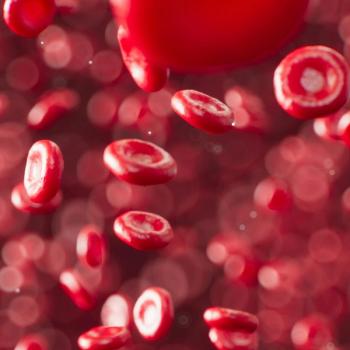
Data from the Phase 1/2 BEACON trial indicate the efficacy and safety of this investigative 1-time therapy, particularly in decreasing blood cell sickling.
Hereditary hemorrhagic telangiectasia has no approved treatments; this designation, in addition to the European Medicines Agency granting a positive opinion, positions DIAG723 to be the first.
Nitisinone is the first and only FDA-approved treatment for AKU, a rare genetic disease without a known cure.

Investigators also noted the risk of Hb overshoot in patients switching from ESA to roxadustat, emphasizing the importance of monitoring Hb levels before and after treatment.
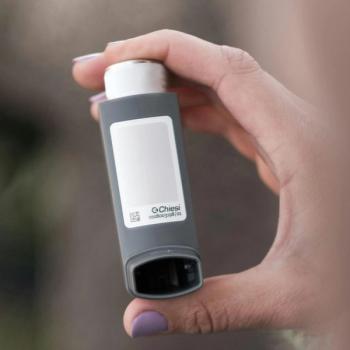
Although limited, recent research has indicated overall positive results of dupilumab in both reducing severe exacerbations and lowering risk of control loss.

New research has indicated increased food tolerance thresholds and desensitization from omalizumab and other biologics in comparison to placebo with no serious adverse effects.

New research has associated complement factors from both the classical and terminal pathways with progression from intermediate to advanced age-related macular degeneration.

Despite the possibility for enhanced stability of IOL rotation and tilt, the potential for ACD increase and a resulting hyperopic refractive shift warrants caution.

The company believes results from a recent phase 3 chamber trial fulfill the FDA’s requests in the Complete Response Letter received in April of 2025.