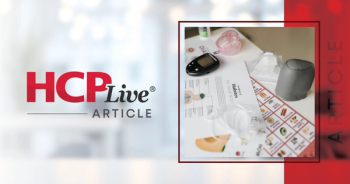
Lifelong reliance on insulin, constant glucose monitoring, and management of hypo- and hyperglycemia require substantial lifestyle changes.
Ryan Livingston joined the MJH Life Sciences team in March of 2025, shortly after graduating from TCNJ with a bachelor’s degree in English. He enjoys creative writing, reading, and scuba diving. He can be reached at [email protected].
Lifelong reliance on insulin, constant glucose monitoring, and management of hypo- and hyperglycemia require substantial lifestyle changes.

Recent research refutes the conception that most, if not all, coronary heart disease occurs without typical CVD risk factors.

Amgen announced that evolocumab reduced the risk of MACEs such as heart attack and stroke in patients without any prior history of these events.
The investigative therapy from Windtree Therapeutics also maintained a favorable safety and tolerability profile versus placebo.
An analysis of data from the HELIOS-B trial indicated an overall reduction in GI events among the vutrisiran cohort compared to those receiving placebo.
100% of included participants were successfully defibrillated and exhibited 6-month improvements or stability in the majority of patients.

Guideline-directed medical therapy and SGLT2i use has been associated with reduced total health care costs and a lower risk of hospitalization and death.

Patients taking multiple drugs simultaneously receive the same protective effect from finerenone, regardless of their degree of polypharmacy.
A recent publication from the HFSA highlights obesity, chronic kidney disease, diabetes mellitus, and hypertension as major driving forces.

Biolinq Shine aims to provide continuous glucose monitoring, as well as sleep and activity data, without requiring injections.
Despite the global prevalence of hypercholesterolemia, only 11% of children receive lipid screening, leaving many cases undiagnosed.
Investigators have highlighted diabetes and obesity as leading drivers of steadily increasing global cardiovascular mortality rates.

A compiled list of the 8 most exciting presentations scheduled for the Heart Failure Society of American Annual Scientific Meeting 2025.

Despite prior trials indicating the possibility, the AUSPICE study failed to display any difference in risk between patients receiving the vaccine versus placebo.

Parent company CeleCor Therapeutics announced positive safety and efficacy endpoint data for their investigative GPIIb/IIIa inhibitor versus placebo.

Although PREVENT was more consistent among the overall population, PCE saw more accurate readings in those taking statins within the trial period.

Investigators formulated a series of hypothetical situations to test the overall economic impact of introducing lonapegsomatropin into the growth hormone market.

The investigational oral GLP-1 RA showed superiority in glycemic control and weight loss among patients with uncontrolled T2D.

Based on 3 propensity-matched control groups, patients with psoriasis can have anywhere from a 40% to 56% higher risk.

Tirzepatide saw improvements in A1C and body mass index, which were maintained over the 30-week trial and into the 52-week extension study.

When compared to transitions of care coordinators, MIH saw no additional benefit to either health status or 30-day hospital readmissions for postacute patients with HF.
The US Food and Drug Administration has approved bumetanide nasal spray for the treatment of edema in outpatient heart, liver, and kidney diseases.

New research from Stockholm, Sweden, has shown the correlation between smoking and insulin sensitivity, with genetic susceptibility increasing the risk further.

Research shows reduced risk of death, major adverse cardiovascular events, and myocardial infarction, and a non-significant reduction in stroke and cardiovascular death.
Compared to standard devices, the first-of-its-kind AIRE-CHB model indicated incident CHB risk, outperforming standard ECG devices.
Pediatric patients with type 1 diabetes often have severely limited access to care, allowing very few to achieve HbA1c goals.

Life’s Essential 8 scores are substantially lower among adults aged ≥65 years who exhibit high blood pressure, stroke, or other cardiovascular diseases.

In addition to type 1 and 2 diabetes, diabetic retinopathy substantially increases the risk of developing and worsening uveitis.

A technology review from the University of Virginia analyzes the successes of AID devices, as well as indicating where the technology still has to go.