
Heart pumps may work just as well as heart transplants for older heart failure patients and complex cases, finds a study presented at the ISHLT annual meeting.
Heart pumps may work just as well as heart transplants for older heart failure patients and complex cases, finds a study presented at the ISHLT annual meeting.

More evidence for the biomarker ctDNA to test for the presence of a rare, but deadly cancer in organ transplant patients was presented at ISHLT annual meeting this month.

Patients with Medicare Advantage are more likely to receive guideline-recommended care for coronary artery disease than patients with Medicare Fee for Service. But whether that translates into better outcomes remains unclear, a study shows.

Statins decrease major vascular events like stroke and heart attack regardless of age. While the evidence is less robust for people over age 75, evidence suggest this age group may also benefit, a new study shows.

Adding a neprilysin inhibitor to an angiotensin receptor blocker may benefit patients hospitalized for acute heart failure more than an angiotensin receptor blocker alone, a study shows.
Antipsychotic medications may not cause type 2 diabetes but a new review find the drugs may accelerate development of the disease. How can you protect your patients?
New study finds that noninvasive assessment of CAD with CCTA may help reclassify risk and predict MACE in asymptomatic atherosclerosis.
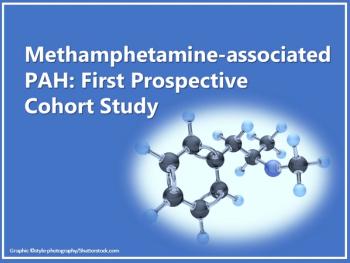
Methamphetamine abuse is on a steady rise in the US. A new study highlights the nature and dangers of Meth-PAH.
A recent trial found that empagliflozin can reduce the risk of cardiovascular deaths in type 2 diabetes patients; are results similar in men and women?

From fruit juice to fibrates to fluvastatin, what do you know about the safety of specific statin interactions?
The new diabetes tech in question is the expanding pool of continuous glucose monitoring systems. So, what's your CGM IQ?
Results of a subgroup analysis from the GRIPHON trial are promising for a hard-to-treat population.
Results of a new study suggest that stroke volume index may be the better hemodynamic variable to monitor in PAH – not cardiac index.

A new study turns conventional beliefs about metformin’s main site of action upside down.

“In brief, the risk for T2DM is a combination of both person and place, and our national strategies need to understand and intervene across these levels.”

September 2nd 2015
May 7th 2018

May 10th 2018

February 19th 2019

