
A clinical forum brought together pulmonologists and advanced practice providers to share their experiences navigating the changing COPD and asthma landscape.
Highlights from a series of clinical forums spotlighting advances in targeted therapy in asthma and chronic obstructive pulmonary disease (COPD) in 2026.
A clinical forum brought together pulmonologists and advanced practice providers to share their experiences navigating the changing COPD and asthma landscape.
A clinical forum focuses on how advanced practice providers (APP) and clinicians are now navigating how to translate emerging data into real-world practice.
Experts weigh new biologics including dupilumab, tezepelumab, and depemokimab, and how eosinophils guide real-world prescribing.
New biologics transform severe asthma and COPD, yet prednisone overuse persists—see practical selection tips and outpatient steroid stewardship gaps.
Clinicians compare newest asthma/COPD biologics, highlighting dupilumab’s edge, biomarker shifts, and insurance barriers shaping real-world use.
Experts unpack new asthma/COPD biologics, eosinophil+FeNO targeting, twice-yearly depemokimab switching, and payer hurdles in 2026 care.
A clinical forum discussed referral dynamics, access barriers, and patient health literacy challenges that shape biologic use in the real world.
An APP forum discusses navigating a complex biologic landscape with significant administrative, access, and patient education responsibilities that physicians may encounter less directly.
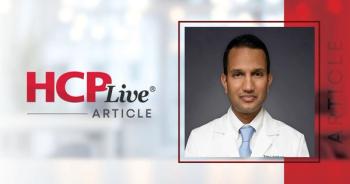
HCPLive convened an in-depth roundtable discussion on advancing biologic therapy for asthma and COPD in a complex real-world prescribing environment.
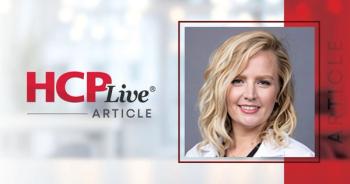
Oklahoma APPs share real-world asthma and COPD biologic wins, safety surprises, and insurance hurdles as new twice-yearly options emerge.
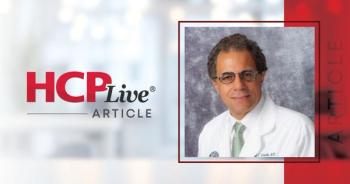
Pulmonologists weigh in on biologic selection, mepolizumab tachyphylaxis, COPD payer barriers, and why asthma outcomes far outpace COPD in real-world practice.
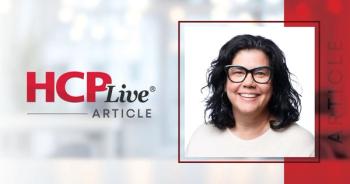
APPs discuss insurance barriers, dupilumab as the default COPD biologic, depemokimab adherence advantages, and why pulmonary rehab remains critically underused.
Academic pulmonologists from Mass General, Duke, and Cleveland Clinic discuss biologic selection, mucus plugging, and more.
Nurse practitioners discuss escalating biologic therapy for asthma and COPD, mucus plugging data, and access barriers.
Repeated oral steroid bursts are the main trigger for starting a biologic, while therapy for non-type 2 inflammation COPD remains an unmet need.
Participants described how comorbidities, payer formularies, and patient preference shape biologic choice in asthma and COPD.

Participants said payer criteria and patient goals often outweigh mechanism when choosing biologics, and that shared decision-making is harder in COPD.
Advanced practice providers described how documentation, specialty pharmacy support, and payer requirements shape biologic selection and timing.
APPs described earlier recognition of type 2 disease, documentation strategies for payers, and the role of specialty pharmacy in biologic access.
Clinicians described how steroid exposure from multiple prescribers shapes biologic decisions in asthma and COPD.

Participants described how payer requirements and documentation of steroid exposure shape biologic access.
Participants described earlier phenotyping, closer tracking of steroid exposure, and recognizing gradual gains on biologic therapy.