

























































In this retrospective analysis, orally administered tofacitinib was shown to be efficacious among younger patients with alopecia areata due to regrowth results.


Adding 1 Milligram to Standard Minoxidil Treatment Ineffective for Lichen Planopilaris

Patch Test Highlights Allergens Impacting Alopecia Areata, Other Hair Conditions
In this retrospective analysis, orally administered tofacitinib was shown to be efficacious among younger patients with alopecia areata due to regrowth results.

In these new findings, investigators highlight phase 1 research into ritlecitinib for patients aged 6 to 12 years with alopecia areata.

In this retrospective analysis, investigators in Japan highlighted the prevalence and incidence of comorbidities in those with atopic dermatitis, psoriasis, alopecia areata, and vitiligo.
In this quiz, readers will be asked about the pivotal data used to support the July 2024 approval of deuruxolitinib for alopecia areata.
This review of January 2025 in dermatology news highlights new developments in the treatment of conditions such as psoriasis, alopecia areata, and atopic dermatitis.

In this study, several predictive factors for positive alopecia areata outcomes after baricitinib therapy were identified, including female sex and a lower SALT score before treatment.

These data highlight the effectiveness of long-term ritlecitinib treatment among those with alopecia areata and significant scalp hair loss.
In this quiz, the June 2022 approval of baricitinib is highlighted as the first treatment approved for alopecia areata.
Shadi Kourosh, MD, MPH, joins The Medical Sisterhood to discuss advocacy, mentorship, and the empowerment of women in medicine.

These retrospective data highlight maternal alopecia areata’s link with the risk of adverse birth outcomes among infants.
These findings suggest that zinc and vitamin D levels may function as a disease severity indicator for patients with alopecia areata.

These data highlight the long-term efficacy of baricitinib, a JAK 1/2 inhibitor, for patients with severe alopecia areata in a real-world setting.

These data highlight long-term complications related to COVID-19 in terms of skin conditions, a continuing concern for many patients.

This Fall Clinical Dermatology Conference interview with Song features a discussion regarding several useful clinical pearls for dermatologists.
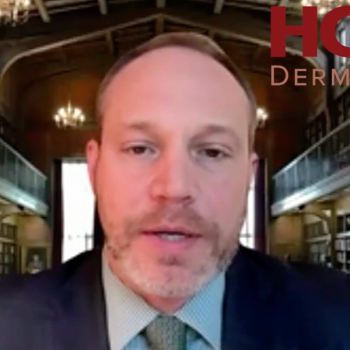
In this interview, Bunick spoke about the contents of his Fall Clinical Dermatology presentation specifically regarding mechanisms of action and safety of systemic therapies.

In this interview with Chovatiya, he highlights some of the elements of the presentations being given at the Fall Clinical Dermatology conference in Las Vegas.

Given the distrust some patients with conditions such as alopecia areata and psoriasis have regarding JAK inhibitors, this analysis highlights several approaches to such concerns.

New data presented by Sun Pharma at EADV 2024 highlight the impact of deuruxolitinib 8 mg treatment of adults with severe alopecia areata.

Shapiro spoke in his Maui Derm NP+PA Fall conference interview about differentiating between types of alopecia areata and about the potential use of JAK inhibitors.

These findings resulted from a systematic literature review highlighting the impact of stigma and lack of support on self-image for patients with eczema, psoriasis, HS, and other conditions.

A phase 2 trial shows tofacitinib improves autoimmune conditions in Down syndrome, with notable skin health benefits and a good safety profile.

Withdrawal of baricitinib in severe alopecia areata led to hair loss in 80% of patients, highlighting the need for ongoing therapy to maintain regrowth.

A new study revealed an increased risk of psychiatric and autoimmune comorbidities after an alopecia areata diagnosis.
Brett King, MD, PhD, discusses how the deuruxolitinib approval impacts the treatment landscape of alopecia areata.