

Alopecia
Latest News

ALLEGRO-2b/3: Post-Hoc Analysis Suggests Alopecia Areata Improves With Ritlecitinib
By Tim Smith
Hair Regrowth Observed After Switching Between JAK Inhibitors in Severe Alopecia
By Tim Smith
Advertisement
Latest Videos







CME Content























































Advertisement
More News
New data reveals ritlecitinib's long-term efficacy for alopecia areata, showing sustained hair regrowth in 30% of patients after 3 years.
Adolescents with alopecia areata show promising treatment responses, highlighting the need for diverse therapeutic options to improve outcomes.
New data reveals ritlecitinib's long-term effectiveness for alopecia areata, showing significant hair regrowth and sustained benefits in patients.
This analysis highlights the safety and efficacy of JAK3/TEC inhibition in cicatricial alopecias, presented at EADV.
This review highlights several evidence-based approaches to promoting skin longevity and preventing signs of aging.

A look at 13 phase 2 and phase 3 studies with significant implications from EADV 2025's late-breaking sessions.
Intralesional triamcinolone showed significantly greater hair regrowth and patient satisfaction.
Amlitelimab met its primary and key secondary endpoints in the COAST 1 phase 3 study of adults and adolescents with atopic dermatitis.
This study highlighted VTE risk factors in a cohort of patients with alopecia areata who were eligible for baricitinib treatment.
This Month in Review summary includes a list of some of the most notable stories in the dermatology field from August 2025.

In this analysis, a variety of alternative therapies for hair loss, such as oils, stem cells, and laser treatments, were highlighted for their potential.

Oral supplementation with a novel dietary AGA-P supplement was shown to increase the clinical efficacy of pharmacological treatments for androgenic alopecia.

This study highlights a significant link between alopecia areata and autoimmune thyroid disease, assessing a large-scale and diverse population.
This study highlights an approach to male pattern baldness using a topical dimethylglycine sodium salt (DMG-Na) and caffeine-containing shampoo.

Providing nurses and MAs with an educational video on standardized hair loss photo techniques increased the quantity and quality of documented pictures.
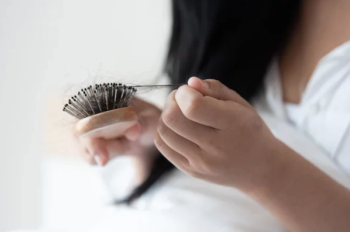
In a Chinese cohort, baricitinib achieved high hair regrowth rates in alopecia areata, totalis, universalis, and eyebrow/eyelash loss, with no serious adverse events.

This summary covers a variety of notable DERM 2025 conference news highlights, specifically in the area of alopecia areata.

These pooled THRIVE-AA1 and THRIVE-AA2 study data highlight improvements in mental health among patients with alopecia given deuruxolitinib.

This session was titled ‘The Hidden Undercurrent: When Hair Loss Isn’t Alopecia Areata’ and was presented at the DERM 2025 conference by April Armstrong, MD, MPH.
Topline results from the first of 2 studies in the UP-AA program show upadacitinib 15 mg and 30 mg met the primary endpoint for scalp hair coverage.

Elkady joins the program to discuss her experience transitioning from patient care to clinical trials and industry.
This summary highlights changes in severe alopecia areata following deuruxolitinib therapy during THRIVE-AA1 and THRIVE-AA2.

This summary of the phase 3 ALLEGRO-LT study highlights several notable findings on ritlecitinib’s use among adults and adolescents with alopecia areata.
This study evaluated a set of key AI outputs: skin tone representation and diagnostic accuracy of generated dermatologic diseases.
Advertisement
Advertisement
Trending on HCPLive
1
Tilrekimig Meets EASI-75 Goal in Atopic Dermatitis, With Eric Simpson, MD
2
Tips on Optimizing HS Biologics, Combinations, and Surgery
3
FDA Approves Once-Monthly Subcutaneous Olanzapine for Schizophrenia
4
ACG Guideline Sets 18 Preventive Care Recommendations for Cirrhosis
5