



























































A randomized clinical trial found significant improvements in key blood parameters for anemia after grape syrup intervention compared with placebo.
A randomized clinical trial found significant improvements in key blood parameters for anemia after grape syrup intervention compared with placebo.
Experts on iron deficiency anemia share clinical practices for patients receiving intravenous iron.
Michael Auerbach, MD, provides an overview of the utility of generic formulations of iron in addressing iron deficiency anemia.
A panel of experts on iron deficiency anemia discusses formulations available for iron infusions, highlighting factors that inform selection.
Experts in hematology, gastroenterology, and obstetrics and gynecology detail their experiences with the real-world application of intravenous iron in their clinics.

Nipocalimab led to a substantially higher percentage of live births at 32 weeks’ gestation or later without intrauterine transfusions than the historical benchmark.
Ferritin cutoffs of 30 and 45 ng/mL notably increase the rate of iron deficiency diagnoses.

Delayed anemia treatment with ESAs was not correlated with worse renal events but elevated the risk of cardiovascular events and all-cause mortality.

Anemia is common in high-risk PCI and is independently associated with major adverse cardiovascular events and major bleeding risk.
An obstetrician-gynecologist addresses the unmet clinical needs in the treatment of patients with iron deficiency anemia, particularly for pregnant patients.
Our July 2024 hematology month in review examines the latest updates to the hematological pipeline and key study data informing clinical practice.
The expert panel discusses why intravenous iron replacement used to be associated with unacceptable toxicity and has become much more tolerable over time.
Ashley Benson, MD, discusses the most recent International Federation of Gynecology and Obstetrics (FIGO) statement on iron deficiency and anemia in women and girls.
Hematologists, a gastroenterologist, and an obstetrician-gynecologist discuss the common causes of iron deficiency seen in clinical practice.
The panel provides a broad overview of the treatment of patients with iron deficiency, highlighting diagnostic practices.
A panel of experts on iron deficiency anemia introduce themselves and provide an overview of the physiology of iron metabolism and iron deficiency.

Interim analysis of the Phase 2 study shows an overall response rate of 40% in patients aged 2 years to younger than 18 years with chronic GVHD.
Most patients administered IV iron after acute bacterial infection did not experience negative clinical outcomes.

Online survey data underlines notable discrepancies across various aspects of ID screening and supplementation in clinical practice for patients with HF.

Iron deficiency and anemia rates were typically higher in less economically developed regions and rural areas in China.

Long-term exposure to proton pump inhibitors and oral anticoagulants was linked to an increased risk of IDA presentation.
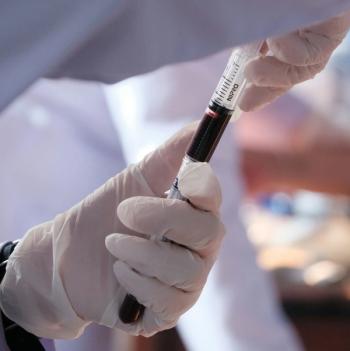
Patients with chronic kidney disease and TSAT levels of 30–40% experienced significantly fewer cardiovascular events than those with TSAT of 20–30%.
Our June 2024 month-in-review for hematology focuses on the latest updates to the hematologic pipeline.
Nearly half of patients with CKD presented with iron deficiency at the initial presentation at the nephrology department.

Mezagitamab demonstrated no new safety signals and rapid increases in platelet counts across Phase 2b data in treating persistent or chronic ITP.