






Bipolar Disorder
Latest News
Advertisement
Latest Videos


Podcasts

CME Content























































Advertisement
More News

At 2025 So Cal Psych, Maguire shared insights on diagnosing bipolar depression, treating agitation in dementia, and managing mental health challenges in patients who stutter.

Discover how structured routines and exercise enhance mental health for those with bipolar disorder, fostering stability, and community support.

In this Q&A, Augsten discusses treatment strategies, challenges, and non-pharmacological interventions for schizophrenia and bipolar I disorder based on recent survey findings.

A 2024 survey finds that most healthcare providers believe quality of life should be considered as much as symptom control when managing bipolar I disorder and schizophrenia.
This month in review covers key psychiatry updates, including the latest FDA decisions, antidepressant use in pregnancy, and the latest episode of Medical Ethics Unpacked.

Teva and Medincell announced FDA acceptance of their sNDA for UZEDY, a risperidone extended-release injectable, to treat adults with bipolar I disorder.

A study found long-acting injectables reduced mean Young Mania Rating Scales scores in adolescents with bipolar mania from 33.8 at baseline to 21.7 at month 1.

Unlike approved antidepressant drugs which have warnings on their labels stating they may increase the suicide risk, NRX-101 demonstrates meaningful reductions in suicidality.

Olanzapine/Samidorphan Maintains Mood Disorder Efficacy, Weight and Glycemic Tolerability at 4 Years
Four-year, phase 3 data from APA 2024 show olanzapine/samidorphan provided consistent antipsychotic efficacy and weight-related safety in patients with either schizophrenia or bipolar I disorder.

The FDA approved iloperidone for acute treatment of bipolar I disorder on April 02, 2024, according to Vanda Pharmaceuticals.

In an interview, Jacob Ballon, MD, MPH, discusses the significance of his team’s study which found olanzapine and samidorphan was well-tolerable for up to 4 years of treatment for schizophrenia and bipolar disorder treatment.

A study demonstrated olanzapine and samidorphan’s (LYBALVI) safety, tolerability, and durability during a 4-yeat treatment period.
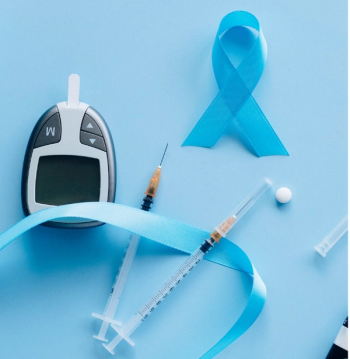
Mothers with mood disorders—either bipolar disorder, major depressive disorder— or schizophrenia/ schizoaffective disorder are not associated with their offspring’s risk for type 1 diabetes. Results suggest mothers with bipolar disorder tend to develop type 1 diabetes, but data is not clinically significant.

A large systematic review assessing more than 60 drugs for bipolar depression shows only a handful were statistically signifcantly better than placebo per depressive symptom outcomes.

The findings underscore the importance of considering both the severity of BPD features and changes in depressive symptoms when assessing risk of suicide.

A prospective cohort analysis of Denmark residents suggests correlation between cannabis overuse and risk of psychiatric conditions.

The long-acting injectable can be administered once every 2 months to either treat schizophrenia or serve as a maintenance monotherapy for bipolar disorder.

Children definite motor problems were more likely to have psychotic experiences compared to children with no definite motor problems.

A new cross-sectional analysis suggest there are few options available for patients with schizophrenia or a serious mood disorder.

There was a decrease in relapse observed for low-risk participants, but not high-risk individuals.

At Pri-Med West, primary care providers ask Dr. Michael Ziffra and Dr. Shirah Vollmer all the questions they have about treating mental illness and prescribing different classes of drugs.

Dr. Michael Ziffra talked during Pri-Med West 2022 about some of the challenges and gaps in research needed for better bipolar disorder care.

The treatment represents the only FDA approved orally dissolving sublingual film for this patient population.

Clinical decision support intervention resulted in a rate of change in total modifiable CV risk that was 4% lower among intervention patients compared to control.

The treatment is approved as either a monotherapy or an adjunctive therapy with either lithium or valproate.
Advertisement
Advertisement
Trending on HCPLive
1
From Injectable to Oral: Optimal Durable Clearance Across the IL-23 Class
2
Ritlecitinib Stabilizes Vitiligo in Tranquillo Trial, With Iltefat Hamzavi, MD
3
Advances in Treating High-Impact Psoriasis from EADV 2026
4
FDA Updates Sotatercept Label, ERS Releases PAH Guidelines Based on HYPERION Data
5