




C Difficile Infection
Latest News
Advertisement
Latest Videos




CME Content























































Advertisement
More News

Experts reflect on the barriers to utilizing fecal microbiota transplantation therapy in Clostridioides difficile infection.
Higher body mass index was seen as a protective factor for C difficile infections.

The data regarding the safety and efficacy of fecal microbiota transplantation for patients with C difficile infections and inflammatory bowel disease has been limited.

Patients with COVID-19 were not at an increased risk of developing CDI.

The panel considers optimal therapy for recurrent CDI, particularly the role of fecal microbiota transplantation.

Centering their discussion around a patient case of CDI, experts discuss optimal therapy selection given available agents and guidelines.

Dr. Carl V. Crawford led a panel in discussing treatments in the pipeline for CDI.

Experts consider optimal approaches to administering therapy for CDI and share insight on available treatment guidelines.
Shared insight on the prevalence of recurring Clostridioides difficile infection and management strategies.
At least 3 companies have presented later phase data on live microbiota therapies for treating recurrent C difficile infections in 2021.

Bincy Abraham, MD, led the State of Science program on C difficile infections.
Experts review the impact that medications, antibiotic or otherwise, may have on the development of Clostridioides difficile infection.
An overview of the risk factors that contribute to the development of Clostridioides difficile infection in various health care settings.
The State of the Science events allows experts to come together to update on recent research for CDI.
Recent studies have indicated more community spread of C difficile infections.
Comprehensive discussion on the identification of Clostridioides difficile infection, the spectrum of disease, and overall epidemiology.
The panel reflects on how disruption of the gut microbiome leads to the proliferation of Clostridioides difficile.

Fecal microbiota transplantation recipients did gain weight following the procedure.
Between 2011-2018, hospital admissions for CDI has decreased dramatically.

Approximately 88% of patients treated with SER-109 achieved a sustained clinical response at 8 weeks.

Many of the measures put in place because of COVID-19 have also helped to reduce the rates of C difficile infections.

Recurrent CDI, severe CDI, and the number of stools were linked to lower Cdiff32 scores.

C difficile was found on 45% of shoe soles and 26.2% of private residences.
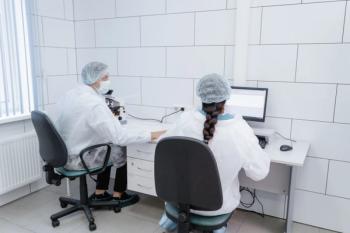
Potential donors are denied for a variety of reasons, including high body mass index, underlying chronic illnesses, or the use of antibiotics within 3 months.

Just 7% of patients in the BPA group suffered a recurrent CDI episode within 14-56 days of initiating treatment.
Advertisement
Advertisement
Trending on HCPLive
1
From Injectable to Oral: Optimal Durable Clearance Across the IL-23 Class
2
Ritlecitinib Stabilizes Vitiligo in Tranquillo Trial, With Iltefat Hamzavi, MD
3
Advances in Treating High-Impact Psoriasis from EADV 2026
4
FDA Updates Sotatercept Label, ERS Releases PAH Guidelines Based on HYPERION Data
5