



Cardiology
Latest News
Advertisement
Latest Videos




CME Content


































Advertisement
More News
Nicholls discusses his recent pooled analysis of safety data from the BROADWAY and BROOKLYN phase 3 trials, proving the tolerable safety of obicetrapib.
Nicholls discusses the investigational oral CETP inhibitor’s effects on kidney health for patients at high risk of cardiovascular disease due to elevated HDL-C.
Martinez discusses the bigger picture of mavacamten, highlighting its safety and efficacy as well as recent real-world trial data in patients with HCM.
Rossano discusses the results of the phase 3 SCOUT-HCM trial, highlighting mavacamten’s comparative superiority in reducing left ventricular outflow.

Hosts break down the latest updates in mineralocorticoid receptor agonists, including the SPIRIT-HF trial and announcements from the finerenone program.
New information from the phase 3 SCOUT-HCM trial indicate the benefits of mavacamten may extend to adolescents as well as adults.
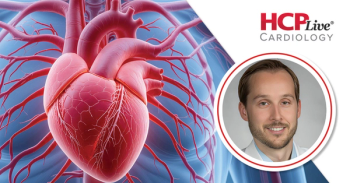
Marston discusses his sub analysis of the VESALIUS-CV trial, which indicated reduced MACE risk in patients with diabetes and no atherosclerosis after evolocumab treatment.
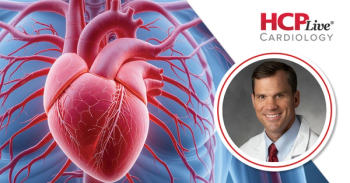
Fearon discusses results from the ALL-RISE trial, which demonstrated the FFRangio’s efficacy in assessing lesions for patients with coronary artery disease.
Stay updated with the latest healthcare breakthroughs, including late breaking data from 3 conferences, in this week’s essential news roundup.
Results of the MOMENTUM trial suggest the prevalence of hypercortisolism in resistant hypertension could be greater than previous estimates have indicated.
Although not statistically significant, the reduction represents a potential new pathway for treating patients with STEMI.

Hypertension drives millions of preventable deaths, yet control lags globally. The HEARTS framework offers practical, scalable solutions to close this gap.
A subgroup analysis of VESALIUS-CV suggests evolocumab could have a role in prevention of primary events in some high-risk patients.
New data from the KARDINAL trial at ACC.26 provides insight, but raises questions regarding tonlamarsen and hypertension.

Sarma discusses the ongoing movement to highlight the different cardiovascular risks facing women, particularly during the most turbulent periods of life.
HI-PEITHO concluded use of ultrasound-facilitated catheter-directed fibrinolysis improves pulmonary embolism outcomes.
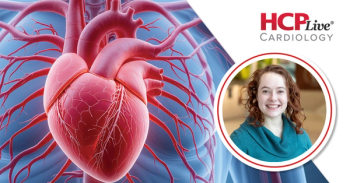
Nuckols discusses her recent study highlighting a correlation between pregnancy complications, increased psychosocial stress, and cardiovascular disease risk.
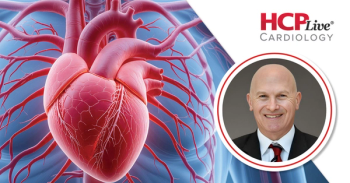
Kramer, the president of the American College of Cardiology, discusses the organization’s recent movement to adapt rapidly growing AI technology to clinical care.
Bhatt shares his thoughts on the recently released dyslipidemia guidelines, highlighting the return of goal-based LDL-C therapy and Lp(a) receiving a COR 1 suggestion.
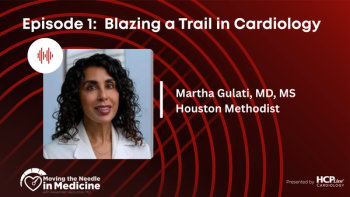
Hear Martha Gulati, MD, MS, reveal how mentorship and have shaped her career in women’s heart care.
New dyslipidemia guidance sharpens risk with CAC, checks lipoprotein(a), and targets LDL goals using expanded therapies for prevention.
New dyslipidemia guidance sets LDL targets for FH, urges genetic testing, and highlights evinacumab and APOC3 drugs for severe triglycerides.
Trials show most heart supplements don’t lower LDL or prevent events; learn why omega‑3s, vitamins and red yeast rice fall short of statins.
Advertisement
Advertisement
Trending on HCPLive
1
Tilrekimig Meets EASI-75 Goal in Atopic Dermatitis, With Eric Simpson, MD
2
Tips on Optimizing HS Biologics, Combinations, and Surgery
3
ACG Guideline Sets 18 Preventive Care Recommendations for Cirrhosis
4
FAQ: ASH's New Ferritin Thresholds, With Jacquelyn Powers, MD, MS
5