



























































Each month, our editorial staff compiles a month in review highlighting the most popular content from the past month. March's month in review features CGM news, calls for insulin co-pay caps, and info on the declining quality of US diets.
Each month, our editorial staff compiles a month in review highlighting the most popular content from the past month. March's month in review features CGM news, calls for insulin co-pay caps, and info on the declining quality of US diets.

A retrospective cohort study suggests use of GLP-1 RAs was associated with a 21% reduction in risk of all-cause mortality in patients with type 2 diabetes and advanced-stage chronic kidney disease compared with DPP-4 inhibitors.

A randomized trial comparing the effects of immediate testing and disclosure versus delayed testing, results suggest disclosing results of APOL1 testing led to reductions in blood pressure and meaningful lifestyle changes among patients with hypertension.

The CRL for bardoxolone methyl for treatment of CKD caused by Alport syndrome comes less than 3 months after an FDA advisory committee voted unanimously against approval of Reata Pharmaceutical's once-daily, orally administered activator of Nrf2.
Announced by Reata Pharmaceuticals on February 25, the Complete Response Letter from the FDA for bardoxolone methyl comes a little over 2 months after an FDA advisory committee voted unanimously against approval of the once-daily, orally administered activator of Nrf2.

New research suggests pregnancies conceived with assisted reproductive technology were associated with a more than doubling in risk for acute kidney injury.
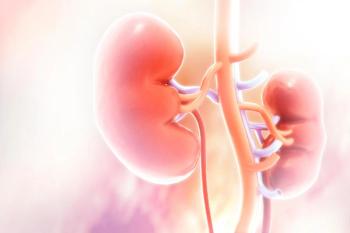
Data from an analysis of more than 150,000 patients suggests increased BMI was associated with more than a 3-fold increase in odds of diabetic nephropathy in patients with type 2 diabetes, but this effect was more apparent in women who experienced a 14-fold increase in odds of diabetic nephropathy.

An analysis of data from the National Inpatient Sample suggests pregnancies conceived by assisted reproductive technology carried a 1.7- and 2.5-fold increase in risk for arrhythmia and acute kidney injury compared to those conceived without ART.
New data provides insight into risk factors that could improve risk stratification of prediction models for cardiovascular disease among patients with chronic kidney disease.

An analysis of data from more than 135k patients with type 1 and type 2 diabetes indicates the age-adjusted rate of chronic kidney disease was greater in type 1 diabetes and also sheds light on the rising rate of obesity in type 1 diabetes.

Dr. Gregory Weiss provides perspective on recent data detailing the potential for kidney damage as a result of long-term inhibition of the renin-angiotensin system.
A recent study published in the Journal of the American Society of Nephrology suggests patients with chronic kidney disease have little access to reliable information related to nutrition for patients with chronic kidney disease.
A retrospective cohort analysis of more than 3000 patients with CKD suggests use of MRAs was significantly associated with a reduction in the need for renal replacement therapy.
A 31-person task force has composed and released new multispecialty recommendations for management and diagnosis of diabetes and cardiometabolic disease.

Deepak Bhatt, MD, MPH, discusses the results of a pooled analysis of the SOLOIST and SCORED trials assessing effects of sotagliflozin based on baseline eGFR among patients included in the trials.
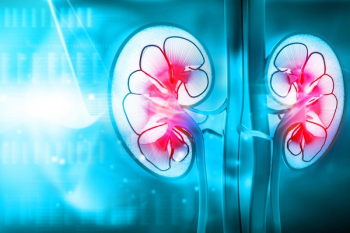
Results of FIDELITY suggest use of finerenone was associated with reductions in risk of all nonfatal kidney end points included in the analysis, regardless of CKD severity.

Data from the CLICK trial presented at Kidney Week 2021 demonstrates chlorthalidone reduced systolic blood pressure by 11 mmHg over a 12-week treatment period among a patient population with stage 4 CKD and uncontrolled hypertension.
Data from a prespecified analysis of DAPA-CKD presented at Kidney Week 2021 provides insight into the effects of dapagliflozin use on the rate of kidney function decline based on the presence of type 2 diabetes from the trial.
Using the Steno Type 1 Risk Engine, a team from Denmark conducted a study suggesting SGLT2 inhibition could lower risk of cardiovascular disease and end-stage kidney disease in patients with type 1 diabetes.
An analysis of secondary end points from FIGARO-DKD presented at Kidney Week 2021 provides further insight into the effects of finerenone on kidney outcomes, including a 36% reduction in need for dialysis.

George Bakris, MD, takes part in a Q&A with Endocrinology Network staff to explore the design of the upcoming FIND-CKD trial and potential research priorities surrounding finerenone moving forward.

Data from the FIDELITY analysis suggests use of finerenone was associated with a significant 20% reduction in end-stage kidney disease as well as reductions in all nonfatal kidney end points included in the study's composite kidney outcome.
Bertram Pitt, MD, offers perspective on how he interprets data from both FIDELIO-DKD and FIGARO-DKD inform the use of finerenone in patients with diabetes and chronic kidney disease.

Results of FIGARO-DKD were presented at ESC Congress 2021 and, combined with FIDELIO-DKD data, demonstrate the ability of finerenone to provide benefit across the spectrum of eGFR.
A new meta-analysis by investigators from Johns Hopkins details the prevalence of UACR testing in patient populations at increased risk of albuminuria, suggesting less than 40% of patients with diabetes underwent UACR testing and this figure dropped to less than 5% among patients with hypertension.