




Chronic Kidney Disease
Latest News
Advertisement
Latest Videos
CME Content






















































Advertisement
More News

The analysis of NHANES data revealed almost 90% of adults meet the criteria for stage 1 or greater CKM syndrome, consistent from 2011-2020.
The April 2024 cardiology month in review spotlights FDA news and top updates from the American College of Cardiology 2024 Scientific Session.
This month in review highlights top coverage of the latest news in nephrology, ranging from new clinical trial data in IgAN to research about kidney disease management.

KDpredict uses age, sex, eGFR, and albuminuria to calculate 1-5 year risk of kidney failure and death in chronic kidney disease, outperforming the kidney failure risk equation.

Meta-analysis of 11 phase 3 trials shows SGLT2 inhibitors reduce cardiovascular event risk by 9% across diverse patient populations.

The consensus calls for the recognition of kidney disease as a major non-communicable disease driver of premature mortality by the World Health Organization.

Although the intervention did not reduce risk of CKD progression versus standard care, it addressed barriers to care and increased patients’ exposure to ACEi/ARBs.

Using the National Institutes of Health Toolbox Cognition Battery, results showed greater cognitive dysfunction across certain domains based on sex and CKD stage.

Findings call attention to the risk of complications in patients with CKD and UACR <30 mg/g, highlighting the dangers of elevated albuminuria even in the normoalbuminuric range.

Our March 2024 month in review highlights HCPLive’s top coverage of the latest news in nephrology, ranging from new CKD research and KDIGO guidelines to recent IgAN data.

A posthoc analysis of two phase 3 trials identified multiple independent factors associated with better response to vadadustat in patients with anemia.

Chronic kidney disease was linked to increased mortality, higher costs, and the need for mechanical ventilation among hospitalized patients with sickle cell disease.
In this episode, Neuen talks about the FLOW trial, the concept of 4 pillars of GDMT for CKD in type 2 diabetes, and how to approach sequencing of these therapies.

Patients whose primary care practitioners were randomized to a clinical decision support system intervention achieved a statistically significant reduction in SBP versus usual care but had similar rates of BP control.

The KDIGO 2024 Clinical Practice Guideline for the Evaluation and Management of Chronic Kidney Disease is an update to the KDIGO 2012 CKD Guideline.

Baseline kidney function, AKD severity, and post-AKD kidney function were identified as important factors for predicting outcomes in patients with acute kidney injury requiring dialysis.

Results of the systematic review point to significant evidence gaps in most cardiovascular risk management interventions for patients with CKD, especially those with stages 4 to 5.
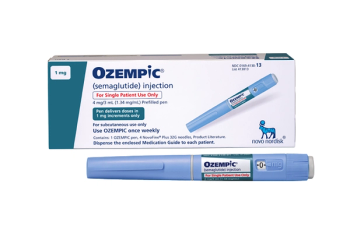
Novo Nordisk announced topline data from the FLOW trial indicate semaglutide 1.0 mg (Ozempic) was associated with a 24% reduction in risk of kidney disease-related events among individuals with type 2 diabetes and CKD compared to placebo therapy.
Our February 2024 month in review spotlights news in IgAN identification and management as well as recent research about various factors impacting renal care outcomes in different patient populations.

Nearly 30% of patients were receiving potentially inappropriately prescribed medications at the start of the study and more than 20% were still receiving these medications 1 year later.

Our January 2024 month-in-review spotlights some of our top coverage in nephrology, ranging from FDA news to clinical trial data and research about approaches to improving renal health.

Findings highlight the potential benefits of implementing home-based screening for albuminuria in the general population to reduce the burden of kidney and cardiovascular diseases while maintaining cost-effectiveness.

Low eGFRcr-cys was more strongly and uniformly associated with adverse outcomes compared to low eGFRcr in an older patient population, highlighting the benefit of including cystatin C in GFR estimation.

Results showed treatment with dapagliflozin 10 mg was associated with clinically meaningful attenuations in eGFR slope in patients with CKD and urinary albumin-to-creatinine ratio < 200 mg/g.

Use of the electronic AKI alert system led to slight improvements in intervention rates and AKI diagnosis, although kidney function and patient-centered outcomes did not differ from patients receiving usual care.
Advertisement
Advertisement
Trending on HCPLive
1
Tilrekimig Meets EASI-75 Goal in Atopic Dermatitis, With Eric Simpson, MD
2
Tips on Optimizing HS Biologics, Combinations, and Surgery
3
ACG Guideline Sets 18 Preventive Care Recommendations for Cirrhosis
4
FAQ: ASH's New Ferritin Thresholds, With Jacquelyn Powers, MD, MS
5