





Family Medicine
Latest News

Advertisement
Latest Videos









CME Content






















































Advertisement
More News

Telehealth capabilities are crucial during the COVID-19 pandemic.

David Jiang, MD, explains some preffered therapies and medications for trauma patients.

Prenatal exposure to air pollutants has a lasting effect on growth after birth.

Data regarding major adverse events remain unreliable due to a lack of a patient registry.

Policy reform is needed to give patients access to medications to treat their opioid use disorder.

The most common reason IBS patients discontinue treatment is a loss of prescription drug coverage.

This marks ibrutinib's 11th FDA approval.

New study finds fatigue is linked to the overall level of disability following a severe traumatic brain injury.

Investigators find link between childhood psychopathology and polygenetic scores in a number of disorders, but not bipolar disorder.

Digital technologies may have the best opportunity to change how trials are conducted for years to come.

Numeric rating scales are more subjective than answering whether the pain is tolerable or not.

Only 20.2% of primary care physicians show interest in treating patients with opioid use disorder.

Patients too frequently self-assess their pneumonia risk, therefore reducing the efficacy of preventive measures.

New research suggests the presence of a maternal hypertensive disorder predicts increased risk of childhood mental disorder, regardless of mental disorder status of the parents.

Menopause is still evolving due to women having children later in life.
David T. Rubin, MD, discusses some of the reccomendations for treating patients with IBD during the pandemic.

The shortages highlight heavy US dependence on bulk drug ingredients.

Children with young maternal grandparents or with young and old paternal grandparents have a higher risk of autism, new findings suggest.
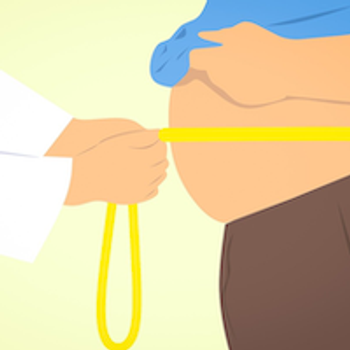
The tailored approach for delivering lifestyle changes virtually to patients who are obese with hypertension shows positive health benefits.

Many patients are at an increased risk of opioid-related harms, including fatal overdose.

The findings suggest that screening for PTSD and moral injury while women are pregnant is important to identify those who may need treatment for such problems.

Patients with TED might be particularly vulnerable to COVID-19 infections.

The intervention is no better than usual care at improving the mood or burden of those caring for adults with advanced heart failure, according to new findings.

A new summary of recent cow's milk allergy guidelines show conlficting consensus on identifying and caring for infantile allergic symptoms.

Medical staff members with insomnia also had higher levels of depression than healthcare workers without insomnia.
Advertisement
Advertisement
Trending on HCPLive
1
Ritlecitinib Stabilizes Vitiligo in Tranquillo Trial, With Iltefat Hamzavi, MD
2
Advances in Treating High-Impact Psoriasis from EADV 2026
3
FDA Updates Sotatercept Label, ERS Releases PAH Guidelines to Include HYPERION Data
4
The Benefits and Limits of Enlicitide, With Ninel Hovnanians, MD
5