























































Georgiana Dobri, MD, a neuroendocrinologist from Weill Cornell Medicine, discusses the approval of osilodrostat and management of Cushing's disease in 2020.

Data from LINC3 and LINC4 provide insight into the impact of dosing titration schedules on risk of hypocortisolism-related adverse events associated with osilodrostat use in patients with Cushing's disease.
Georgiana Dobri, MD, a neuroendocrinologist from Weill Cornell Medicine, discusses the approval of osilodrostat and management of Cushing's disease in 2020.

Check out this Emergency Department Minute Quiz from Brady Pregerson, MD. Can you determine the correct diagnosis?
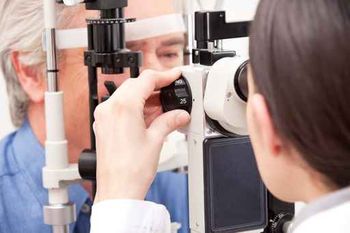
Raymond Douglas, MD, PhD, discusses trends in treatment of thyroid eye disease and how the approval of teprotumumab has impacted the prospect of treating the condition.
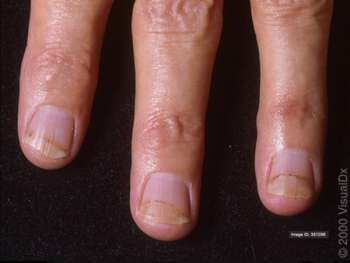
How good are your diagnostic skills? Test them with this month's Visual Dx quiz!

Study suggests generic levothyroxine achieved similar rates of patients with thyrotropin levels in the ideal range as brand name levothyroxine.

Results of the study offer clinicians greater insight and could improve decision-making in regards to treatment choices for hypothyroidism.

A study from e-ECE 2020 suggests thyroid inflammation could put patients at greater risk for developing an anxiety disorder.
A survey of more than 600 physicians found many endorsed the use of thyroid ultrasonography for clinically unsupported reasons.

New research is comparing the long-term risk of death from solid cancers in patients treated with radioactive iodine, antithyroid drugs, or surgery for hyperthyroidism.

New data disputes the findings of previous observational studies examining the effects of levothyroxine on cardiac function.

New research is defining how primary care providers view their role in long-term survivorship care of patients with thyroid cancer.
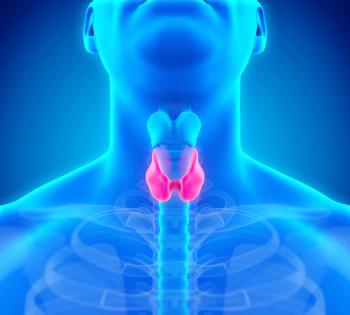
A new case study published in The Journal of Clinical Endocrinology & Metabolism, reports on an 18-year-old patient with COVID-19 infection and subacute thyroiditis.

The common synthetic thyroid medication L-thyroxine has been shown to be ineffective in reducing symptoms in patients with subclinical hypothyroidism (SCH), according to a study published in the Annals of Internal Medicine.

New research shows teprotumumab can be a beneficial treatment for patients suffering from thyroid eye disease (TED), even across age, gender and risk factor-based subgroups. In an interview with HCPLive®, Raymond Douglas, MD, PhD, director of the Orbital and Thyroid Eye Disease Center at the Cedars-Sinai Medical Center, explained the importance of the teprotumumab in treating this patient group and how the coronavirus disease 2019 (COVID-19) might impact thyroid eye disease patients.

The FDA announced yesterday that it has approved the first treatment for thyroid eye disease: teprotumumab-trbw (Tepezza, Horizon Therapeutics).

Restoring normal thyroid function may reverse cold-induced thermogenesis, say researchers writing in the journal Thyroid.

Adults with subclinical hypothyroidism do not need thyroid hormone therapy in most cases, states a BMJ Rapid Recommendation issued this month.
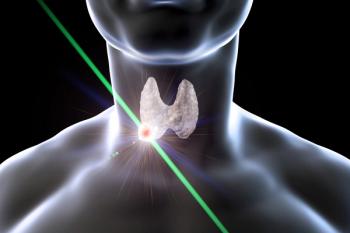
Thyroid hormones have a wide range of effects of the cardiovascular system. Too much or too little thyroiid hormones can induce or exacerbate existing cardiovascular disorders. In this article, we highlight the treatment recommendations for thyroid-related CVD events.
Study of levoketoconazole for Cushing’s syndrome shows significant improvements in acne, hirsutism in women, and peripheral edema.

Healthcare providers are increasingly looking for signs of opioid-induced adrenal insufficiency (OIAI) in their patients, according to a presentation made at the AACE annual meeting held in Los Angeles last week.

Primary care providers, endocrinologists and obstetricians have been challenged with the question of whether to screen all pregnant women for thyroid disease. The debate springs primarily from unknown clinical implications of subclinical thyroid disease during pregnancy. This issue was addressed at ENDO 2019.
The American Thyroid Association guidelines recommend repeat fine-needle aspiration, molecular testing or diagnostic surgical resection if thyroid nodule size increases significantly, but a new study shows there is little evidence that significant tumor growth is a predictor of malignancy, especially in architectural atypia of undetermined significance (AUS-A) cases.

Despite conflicting guidelines on how to treat hypothyroidism, U.S. physicians prescribe combination therapy more often than physicians around the world.

Is thyroid cancer the exception to the rule that alcohol consumption is linked to an increased risk of developing cancer?